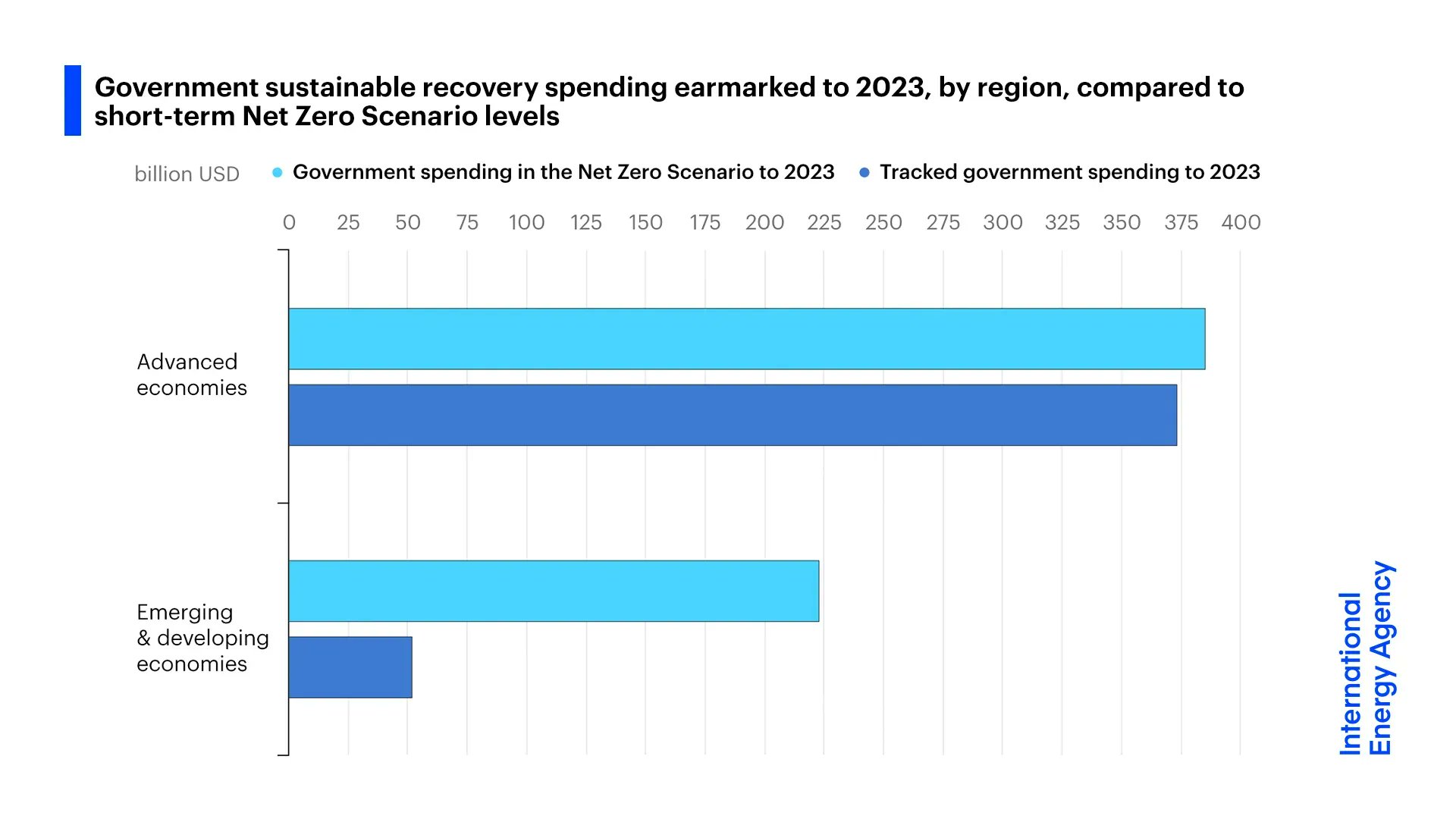
The recent surge in government spending on infrastructure projects has sparked a heated debate among economists and policymakers. Proponents argue that such investments can stimulate economic growth, create jobs, and improve the overall quality of life. However, critics contend that the costs associated with these projects often outweigh the benefits, leading to a significant burden on taxpayers.
According to a report by the Congressional Budget Office, the US government has allocated over $1 trillion for infrastructure development in the past decade, with a significant portion of these funds being dedicated to transportation projects. The report notes that while these investments have led to a modest increase in economic activity, they have also resulted in a substantial increase in the national debt. On the other hand, a study by the Economic Policy Institute found that every dollar invested in infrastructure generates approximately $1.50 in economic activity, highlighting the potential long-term benefits of such investments.
Nevertheless, the study also cautioned that the economic benefits of infrastructure spending are highly dependent on the type of project, with some projects generating significantly more economic activity than others. In terms of job creation, a report by the Bureau of Labor Statistics found that the construction industry, which is a major beneficiary of infrastructure spending, has experienced significant growth in recent years, with employment rates increasing by over 10% in the past year alone. However, the report also noted that the industry is facing a significant shortage of skilled workers, which could hinder the effective implementation of infrastructure projects.
In addition to the economic implications, infrastructure spending also has significant environmental and social implications. For instance, a report by the Environmental Protection Agency found that the construction of new transportation infrastructure can lead to increased air pollution, noise pollution, and habitat destruction. On the other hand, a study by the Urban Institute found that investing in green infrastructure, such as parks and green roofs, can have significant social benefits, including improved public health and reduced crime rates. In conclusion, while government spending on infrastructure projects can have significant economic benefits, it is crucial to carefully evaluate the costs and benefits of such investments and to prioritize projects that generate the greatest economic and social returns.
As the global economy continues to evolve, it is essential that policymakers adopt a nuanced approach to infrastructure spending, one that balances the need for economic growth with the need to protect the environment and promote social welfare. The economic implications of government spending on infrastructure projects are far-reaching and complex, and it is essential that policymakers and stakeholders engage in a thoughtful and informed discussion about the best way to invest in our nation’s infrastructure. With the increasing demand for infrastructure development, it is crucial that we adopt a sustainable and equitable approach to infrastructure spending, one that prioritizes the needs of all stakeholders and promotes long-term economic growth and prosperity.
In order to achieve this, policymakers must be willing to think creatively and outside the box, considering innovative solutions and new technologies that can help to reduce costs and improve efficiency. Furthermore, it is essential that policymakers engage with local communities and stakeholders to ensure that infrastructure projects are tailored to meet the unique needs of each region. By adopting a more nuanced and sustainable approach to infrastructure spending, we can ensure that our nation’s infrastructure is equipped to meet the challenges of the 21st century, while also promoting economic growth and social welfare. As the world becomes increasingly interconnected, it is crucial that we prioritize infrastructure development that supports global cooperation and economic integration.
This can be achieved by investing in transportation infrastructure that facilitates the movement of goods and people across borders, as well as by promoting the development of digital infrastructure that supports international communication and commerce. Ultimately, the key to successful infrastructure spending is to adopt a forward-thinking and innovative approach, one that balances the need for economic growth with the need to protect the environment and promote social welfare. By doing so, we can create a more sustainable and equitable future for all, and ensure that our nation’s infrastructure is equipped to meet the challenges of the 21st century. With the increasing focus on sustainability and social responsibility, it is essential that policymakers prioritize infrastructure projects that promote environmental sustainability and social equity.
This can be achieved by investing in green infrastructure, such as renewable energy sources and green buildings, as well as by promoting the development of sustainable transportation systems. In addition, policymakers must also prioritize the needs of vulnerable populations, such as low-income communities and indigenous peoples, who are often disproportionately affected by infrastructure development. By adopting a more sustainable and equitable approach to infrastructure spending, we can ensure that our nation’s infrastructure is equipped to meet the challenges of the 21st century, while also promoting economic growth and social welfare. As we move forward, it is essential that we prioritize infrastructure development that supports global cooperation and economic integration, while also promoting environmental sustainability and social equity.
This can be achieved by investing in infrastructure projects that facilitate the movement of goods and people across borders, as well as by promoting the development of digital infrastructure that supports international communication and commerce. By doing so, we can create a more sustainable and equitable future for all, and ensure that our nation’s infrastructure is equipped to meet the challenges of the 21st century. The issue of infrastructure spending is complex and multifaceted, and it is essential that policymakers and stakeholders engage in a thoughtful and informed discussion about the best way to invest in our nation’s infrastructure.
With the increasing demand for infrastructure development, it is crucial that we adopt a sustainable and equitable approach to infrastructure spending, one that prioritizes the needs of all stakeholders and promotes long-term economic growth and prosperity. To achieve this, policymakers must be willing to think creatively and outside the box, considering innovative solutions and new technologies that can help to reduce costs and improve efficiency. Moreover, it is essential that policymakers engage with local communities and stakeholders to ensure that infrastructure projects are tailored to meet the unique needs of each region. The economic implications of government spending on infrastructure projects are far-reaching and complex, and it is essential that policymakers adopt a nuanced approach to infrastructure spending, one that balances the need for economic growth with the need to protect the environment and promote social welfare.
With the increasing focus on sustainability and social responsibility, it is essential that policymakers prioritize infrastructure projects that promote environmental sustainability and social equity. This can be achieved by investing in green infrastructure, such as renewable energy sources and green buildings, as well as by promoting the development of sustainable transportation systems. By adopting a more sustainable and equitable approach to infrastructure spending, we can ensure that our nation’s infrastructure is equipped to meet the challenges of the 21st century, while also promoting economic growth and social welfare.
The benefits of infrastructure spending are numerous, and it is essential that policymakers and stakeholders engage in a thoughtful and informed discussion about the best way to invest in our nation’s infrastructure. With the increasing demand for infrastructure development, it is crucial that we adopt a sustainable and equitable approach to infrastructure spending, one that prioritizes the needs of all stakeholders and promotes long-term economic growth and prosperity. In order to achieve this, policymakers must be willing to think creatively and outside the box, considering innovative solutions and new technologies that can help to reduce costs and improve efficiency. Furthermore, it is essential that policymakers engage with local communities and stakeholders to ensure that infrastructure projects are tailored to meet the unique needs of each region.
By doing so, we can create a more sustainable and equitable future for all, and ensure that our nation’s infrastructure is equipped to meet the challenges of the 21st century. The key to successful infrastructure spending is to adopt a forward-thinking and innovative approach, one that balances the need for economic growth with the need to protect the environment and promote social welfare. With the increasing focus on sustainability and social responsibility, it is essential that policymakers prioritize infrastructure projects that promote environmental sustainability and social equity. This can be achieved by investing in green infrastructure, such as renewable energy sources and green buildings, as well as by promoting the development of sustainable transportation systems.
By adopting a more sustainable and equitable approach to infrastructure spending, we can ensure that our nation’s infrastructure is equipped to meet the challenges of the 21st century, while also promoting economic growth and social welfare. Ultimately, the economic implications of government spending on infrastructure projects are complex and multifaceted, and it is essential that policymakers and stakeholders engage in a thoughtful and informed discussion about the best way to invest in our nation’s infrastructure. With the increasing demand for infrastructure development, it is crucial that we adopt a sustainable and equitable approach to infrastructure spending, one that prioritizes the needs of all stakeholders and promotes long-term economic growth and prosperity. As we move forward, it is essential that we prioritize infrastructure development that supports global cooperation and economic integration, while also promoting environmental sustainability and social equity.
By doing so, we can create a more sustainable and equitable future for all, and ensure that our nation’s infrastructure is equipped to meet the challenges of the 21st century. The future of infrastructure spending is uncertain, but one thing is clear: it is essential that policymakers adopt a forward-thinking and innovative approach to infrastructure development, one that balances the need for economic growth with the need to protect the environment and promote social welfare. With the increasing focus on sustainability and social responsibility, it is essential that policymakers prioritize infrastructure projects that promote environmental sustainability and social equity.
This can be achieved by investing in green infrastructure, such as renewable energy sources and green buildings, as well as by promoting the development of sustainable transportation systems. By adopting a more sustainable and equitable approach to infrastructure spending, we can ensure that our nation’s infrastructure is equipped to meet the challenges of the 21st century, while also promoting economic growth and social welfare. In conclusion, the economic implications of government spending on infrastructure projects are complex and multifaceted, and it is essential that policymakers and stakeholders engage in a thoughtful and informed discussion about the best way to invest in our nation’s infrastructure. With the increasing demand for infrastructure development, it is crucial that we adopt a sustainable and equitable approach to infrastructure spending, one that prioritizes the needs of all stakeholders and promotes long-term economic growth and prosperity.
The key to successful infrastructure spending is to adopt a forward-thinking and innovative approach, one that balances the need for economic growth with the need to protect the environment and promote social welfare. By doing so, we can create a more sustainable and equitable future for all, and ensure that our nation’s infrastructure is equipped to meet the challenges of the 21st century. The issue of infrastructure spending is complex, and it is essential that policymakers and stakeholders engage in a thoughtful and informed discussion about the best way to invest in our nation’s infrastructure. With the increasing demand for infrastructure development, it is crucial that we adopt a sustainable and equitable approach to infrastructure spending, one that prioritizes the needs of all stakeholders and promotes long-term economic growth and prosperity.
To achieve this, policymakers must be willing to think creatively and outside the box, considering innovative solutions and new technologies that can help to reduce costs and improve efficiency. Moreover, it is essential that policymakers engage with local communities and stakeholders to ensure that infrastructure projects are tailored to meet the unique needs of each region. By adopting a more sustainable and equitable approach to infrastructure spending, we can ensure that our nation’s infrastructure is equipped to meet the challenges of the 21st century, while also promoting economic growth and social welfare.
With the increasing focus on sustainability and social responsibility, it is essential that policymakers prioritize infrastructure projects that promote environmental sustainability and social equity. This can be achieved by investing in green infrastructure, such as renewable energy sources and green buildings, as well as by promoting the development of sustainable transportation systems. The benefits of infrastructure spending are numerous, and it is essential that policymakers and stakeholders engage in a thoughtful and informed discussion about the best way to invest in our nation’s infrastructure.
With the increasing demand for infrastructure development, it is crucial that we adopt a sustainable and equitable approach to infrastructure spending, one that prioritizes the needs of all stakeholders and promotes long-term economic growth and prosperity. In order to achieve this, policymakers must be willing to think creatively and outside the box, considering innovative solutions and new technologies that can help to reduce costs and improve efficiency. Furthermore, it is essential that policymakers engage with local communities and stakeholders to ensure that infrastructure projects are tailored to meet the unique needs of each region.
The economic implications of government spending on infrastructure projects are complex and multifaceted, and it is essential that policymakers and stakeholders engage in a thoughtful and informed discussion about the best way to invest in our nation’s infrastructure. With the increasing demand for infrastructure development, it is crucial that we adopt a sustainable and equitable approach to infrastructure spending, one that prioritizes the needs of all stakeholders and promotes long-term economic growth and prosperity. The key to successful infrastructure spending is to adopt a forward-thinking and innovative approach, one that balances the need for economic growth with the need to protect the environment and promote social welfare.
With the increasing focus on sustainability and social responsibility, it is essential that policymakers prioritize infrastructure projects that promote environmental sustainability and social equity. This can be achieved by investing in green infrastructure, such as renewable energy sources and green buildings, as well as by promoting the development of sustainable transportation systems. By adopting a more sustainable and equitable approach to infrastructure spending, we can ensure that our nation’s infrastructure is equipped to meet the challenges of the 21st century, while also promoting economic growth and social welfare.
As we move forward, it is essential that we prioritize infrastructure development that supports global cooperation and economic integration, while also promoting environmental sustainability and social equity. By doing so, we can create a more sustainable and equitable future for all, and ensure that our nation’s infrastructure is equipped to meet the challenges of the 21st century. The issue of infrastructure spending is complex, and it is essential that policymakers and stakeholders engage in a thoughtful and informed discussion about the best way to invest in our nation’s infrastructure.
With the increasing demand for infrastructure development, it is crucial that we adopt a sustainable and equitable approach to infrastructure spending, one that prioritizes the needs of all stakeholders and promotes long-term economic growth and prosperity. The benefits of infrastructure spending are numerous, and it is essential that policymakers and stakeholders engage in a thoughtful and informed discussion about the best way to invest in our nation’s infrastructure. With the increasing demand for infrastructure development, it is crucial that we adopt a sustainable and equitable approach to infrastructure spending, one that prioritizes the needs of all stakeholders and promotes long-term economic growth and prosperity. As the global economy continues to evolve, it is essential that policymakers adopt a nuanced approach to infrastructure spending, one that balances the need for economic growth with the need to protect the environment and promote social welfare.
With the increasing focus on sustainability and social responsibility, it is essential that policymakers prioritize infrastructure projects that promote environmental sustainability and social equity. By adopting a more sustainable and equitable approach to infrastructure spending, we can ensure that our nation’s infrastructure is equipped to meet the challenges of the 21st century, while also promoting economic growth and social welfare. The key to successful infrastructure spending is to adopt a forward-thinking and innovative approach, one that balances the need for economic growth with the need to protect the environment and promote social welfare. In order to achieve this, policymakers must be willing to think creatively and outside the box, considering innovative solutions and new technologies that can help to reduce costs and improve efficiency.
Moreover, it is essential that policymakers engage with local communities and stakeholders to ensure that infrastructure projects are tailored to meet the unique needs of each region. By doing so, we can create a more sustainable and equitable future for all, and ensure that our nation’s infrastructure is equipped to meet the challenges of the 21st century. The future of infrastructure spending is uncertain, but one thing is clear: it is essential that policymakers adopt a forward-thinking and innovative approach to infrastructure development, one that balances the need for economic growth with the need to protect the environment and promote social welfare.
With the increasing demand for infrastructure development, it is crucial that we adopt a sustainable and equitable approach to infrastructure spending, one that prioritizes the needs of all stakeholders and promotes long-term economic growth and prosperity. The benefits of infrastructure spending are numerous, and it is essential that policymakers and stakeholders engage in a thoughtful and informed discussion about the best way to invest in our nation’s infrastructure. With the increasing demand for infrastructure development, it is crucial that we adopt a sustainable and equitable approach to infrastructure spending, one that prioritizes the needs of all stakeholders and promotes long-term economic growth and prosperity. The economic implications of government spending on infrastructure projects are complex and multifaceted, and it is essential that policymakers and stakeholders engage in a thoughtful and informed discussion about the best way to invest in our nation’s infrastructure.
With the increasing demand for infrastructure development, it is crucial that we adopt a sustainable and equitable approach to infrastructure spending, one that prioritizes the needs of all stakeholders and promotes long-term economic growth and prosperity. As we move forward, it is essential that we prioritize infrastructure development that supports global cooperation and economic integration, while also promoting environmental sustainability and social equity. By doing so, we can create a more sustainable and equitable future for all, and ensure that our nation’s infrastructure is equipped to meet the challenges of the 21st century. The key to successful infrastructure spending is to adopt a forward-thinking and innovative approach, one that balances the need for economic growth with the need to protect the environment and promote social welfare.
With the increasing focus on sustainability and social responsibility, it is essential that policymakers prioritize infrastructure projects that promote environmental sustainability and social equity. This can be achieved by investing in green infrastructure, such as renewable energy sources and green buildings, as well as by promoting the development of sustainable transportation systems. By adopting a more sustainable and equitable approach to infrastructure spending, we can ensure that our nation’s infrastructure is equipped to meet the challenges of the 21st century, while also promoting economic growth and social welfare.
In conclusion, the economic implications of government spending on infrastructure projects are complex and multifaceted, and it is essential that policymakers and stakeholders engage in a thoughtful and informed discussion about the best way to invest in our nation’s infrastructure. With the increasing demand for infrastructure development, it is crucial that we adopt a sustainable and equitable approach to infrastructure spending, one that prioritizes the needs of all stakeholders and promotes long-term economic growth and prosperity. The issue of infrastructure spending is complex, and it is essential that policymakers and stakeholders engage in a thoughtful and informed discussion about the best way to invest in our nation’s infrastructure. With the increasing demand for infrastructure development, it is crucial that we adopt a sustainable and equitable approach to infrastructure spending, one that prioritizes the needs of all stakeholders and promotes long-term economic growth and prosperity.
The benefits of infrastructure spending are numerous, and it is essential that policymakers and stakeholders engage in a thoughtful and informed discussion about the best way to invest in our nation’s infrastructure. With the increasing demand for infrastructure development, it is crucial that we adopt a sustainable and equitable approach to infrastructure spending, one that prioritizes the needs of all stakeholders and promotes long-term economic growth and prosperity. As the global economy continues to evolve, it is essential that policymakers adopt a nuanced approach to infrastructure spending, one that balances the need for economic growth with the need to protect the environment and promote social welfare.
With the increasing focus on sustainability and social responsibility, it is essential that policymakers prioritize infrastructure projects that promote environmental sustainability and social equity. By adopting a more sustainable and equitable approach to infrastructure spending, we can ensure that our nation’s infrastructure is equipped to meet the challenges of the 21st century, while also promoting economic growth and social welfare. The key to successful infrastructure spending is to adopt a forward-thinking and innovative approach, one that balances the need for economic growth with the need to protect the environment and promote social welfare. In order to achieve this, policymakers must be willing to think creatively and outside the box, considering innovative solutions and new technologies that can help to reduce costs and improve efficiency.
Moreover, it is essential that policymakers engage with local communities and stakeholders to ensure that infrastructure projects are tailored to meet the unique needs of each region. By doing so, we can create a more sustainable and equitable future for all, and ensure that our nation’s infrastructure is equipped to meet the challenges of the 21st century. The future of infrastructure spending is uncertain, but one thing is clear: it is essential that policymakers adopt a forward-thinking and innovative approach to infrastructure development, one that balances the need for economic growth with the need to protect the environment and promote social welfare. With the increasing demand for infrastructure development, it is crucial that we adopt a sustainable and equitable approach to infrastructure spending, one that prioritizes the needs of all stakeholders and promotes long-term economic growth and prosperity.
The benefits of infrastructure spending are numerous, and it is essential that policymakers and stakeholders engage in a thoughtful and informed discussion about the best way to invest in our nation’s infrastructure. With the increasing demand for infrastructure development, it is crucial that we adopt a sustainable and equitable approach to infrastructure spending, one that prioritizes the needs of all stakeholders and promotes long-term economic growth and prosperity. The economic implications of government spending on infrastructure projects are complex and multifaceted, and it is essential that policymakers and stakeholders engage in a thoughtful and informed discussion about the best way to invest in our nation’s infrastructure. With the increasing demand for infrastructure development, it is crucial that we adopt a sustainable and equitable approach to infrastructure spending, one that prioritizes the needs of all stakeholders and promotes long-term economic growth and prosperity.
As we move forward, it is essential that we prioritize infrastructure development that supports global cooperation and economic integration, while also promoting environmental sustainability and social equity. By doing so, we can create a more sustainable and equitable future for all, and ensure that our nation’s infrastructure is equipped to meet the challenges of the 21st century. The key to successful infrastructure spending is to adopt a forward-thinking and innovative approach, one that balances the need for economic growth with the need to protect the environment and promote social welfare.
With the increasing focus on sustainability and social responsibility, it is essential that policymakers prioritize infrastructure projects that promote environmental sustainability and social equity. This can be achieved by investing in green infrastructure, such as renewable energy sources and green buildings, as well as by promoting the development of sustainable transportation systems. By adopting a more sustainable and equitable approach to infrastructure spending, we can ensure that our nation’s infrastructure is equipped to meet the challenges of the 21st century, while also promoting economic growth and social welfare.
In conclusion, the economic implications of government spending on infrastructure projects are complex and multifaceted, and it is essential that policymakers and stakeholders engage in a thoughtful and informed discussion about the best way to invest in our nation’s infrastructure. With the increasing demand for infrastructure development, it is crucial that we adopt a sustainable and equitable approach to infrastructure spending, one that prioritizes the needs of all stakeholders and promotes long-term economic growth and prosperity. The issue of infrastructure spending is complex, and it is essential that policymakers and stakeholders engage in a thoughtful and informed discussion about the best way to invest in our nation’s infrastructure.
With the increasing demand for infrastructure development, it is crucial that we adopt a sustainable and equitable approach to infrastructure spending, one that prioritizes the needs of all stakeholders and promotes long-term economic growth and prosperity. The benefits of infrastructure spending are numerous, and it is essential that policymakers and stakeholders engage in a thoughtful and informed discussion about the best way to invest in our nation’s infrastructure. With the increasing demand for infrastructure development, it is crucial that we adopt a sustainable and equitable approach to infrastructure spending, one that prioritizes the needs of all stakeholders and promotes long-term economic growth and prosperity. As the global economy continues to evolve, it is essential that policymakers adopt a nuanced approach to infrastructure spending, one that balances the need for economic growth with the need to protect the environment and promote social welfare.
With the increasing focus on sustainability and social responsibility, it is essential that policymakers prioritize infrastructure projects that promote environmental sustainability and social equity. By adopting a more sustainable and equitable approach to infrastructure spending, we can ensure that our nation’s infrastructure is equipped to meet the challenges of the 21st century, while also promoting economic growth and social welfare. The key to successful infrastructure spending is to adopt a forward-thinking and innovative approach, one that balances the need for economic growth with the need to protect the environment and promote social welfare. In order to achieve this, policymakers must be willing to think creatively and outside the box, considering innovative solutions and new technologies that can help to reduce costs and improve efficiency.
Moreover, it is essential that policymakers engage with local communities and stakeholders to ensure that infrastructure projects are tailored to meet the unique needs of each region. By doing so, we can create a more sustainable and equitable future for all, and ensure that our nation’s infrastructure is equipped to meet the challenges of the 21st century. The future of infrastructure spending is uncertain, but one thing is clear: it is essential that policymakers adopt a forward-thinking and innovative approach to infrastructure development, one that balances the need for economic growth with the need to protect the environment and promote social welfare. With the increasing demand for infrastructure development, it is crucial that we adopt a sustainable and equitable approach to infrastructure spending, one that prioritizes the needs of all stakeholders and promotes long-term economic growth and prosperity.
The benefits of infrastructure spending are numerous, and it is essential that policymakers and stakeholders engage in a thoughtful and informed discussion about the best way to invest in our nation’s infrastructure. With the increasing demand for infrastructure development, it is crucial that we adopt a sustainable and equitable approach to infrastructure spending, one that prioritizes the needs of all stakeholders and promotes long-term economic growth and prosperity. The economic implications of government spending on infrastructure projects are complex and multifaceted, and it is essential that policymakers and stakeholders engage in a thoughtful and informed discussion about the best way to invest in our nation’s infrastructure. With the increasing demand for infrastructure development, it is crucial that we adopt a sustainable and equitable approach to infrastructure spending, one that prioritizes the needs of all stakeholders and promotes long-term economic growth and prosperity.
As we move forward, it is essential that we prioritize infrastructure development that supports global cooperation and economic integration, while also promoting environmental sustainability and social equity. By doing so, we can create a more sustainable and equitable future for all, and ensure that our nation’s infrastructure is equipped to meet the challenges of the 21st century. The key to successful infrastructure spending is to adopt a forward-thinking and innovative approach, one that balances the need for economic growth with the need to protect the environment and promote social welfare. With the increasing focus on sustainability and social responsibility, it is essential that policymakers prioritize infrastructure projects that promote environmental sustainability and social equity.
This can be achieved by investing in green infrastructure, such as renewable energy sources and green buildings, as well as by promoting the development of sustainable transportation systems. By adopting a more sustainable and equitable approach to infrastructure spending, we can ensure that our nation’s infrastructure is equipped to meet the challenges of the 21st century, while also promoting economic growth and social welfare. In conclusion, the economic implications of government spending on infrastructure projects are complex and multifaceted, and it is essential that policymakers and stakeholders engage in a thoughtful and informed discussion about the best way to invest in our nation’s infrastructure.
With the increasing demand for infrastructure development, it is crucial that we adopt a sustainable and equitable approach to infrastructure spending, one that prioritizes the needs of all stakeholders and promotes long-term economic growth and prosperity. The issue of infrastructure spending is complex, and it is essential that policymakers and stakeholders engage in a thoughtful and informed discussion about the best way to invest in our nation’s infrastructure. With the increasing demand for infrastructure development, it is crucial that we adopt a sustainable and equitable approach to infrastructure spending, one that prioritizes the needs of all stakeholders and promotes long-term economic growth and prosperity. The benefits of infrastructure spending are numerous, and it is essential that policymakers and stakeholders engage in a thoughtful and informed discussion about the best way to invest in our nation’s infrastructure.
With the increasing demand for infrastructure development, it is crucial that we adopt a sustainable and equitable approach to infrastructure spending, one that prioritizes the needs of all stakeholders and promotes long-term economic growth and prosperity. As the global economy continues to evolve, it is essential that policymakers adopt a nuanced approach to infrastructure spending, one that balances the need for economic growth with the need to protect the environment and promote social welfare. With the increasing focus on sustainability and social responsibility, it is essential that policymakers prioritize infrastructure projects that promote environmental sustainability and social equity.
By adopting a more sustainable and equitable approach to infrastructure spending, we can ensure that our nation’s infrastructure is equipped to meet the challenges of the 21st century, while also promoting economic growth and social welfare. In order to achieve this, policymakers must be willing to think creatively and outside the box, considering innovative solutions and new technologies that can help to reduce costs and improve efficiency. Moreover, it is essential that policymakers engage with local communities and stakeholders to ensure that infrastructure projects are tailored to meet the unique needs of each region. By doing so, we can create a more sustainable and equitable future for all, and ensure that our nation’s infrastructure is equipped to meet the challenges of the 21st century.
The future of infrastructure spending is uncertain, but one thing is clear: it is essential that policymakers adopt a forward-thinking and innovative approach to infrastructure development, one that balances the need for economic growth with the need to protect the environment and promote social welfare. With the increasing demand for infrastructure development, it is crucial that we adopt a sustainable and equitable approach to infrastructure spending, one that prioritizes the needs of all stakeholders and promotes long-term economic growth and prosperity. The benefits of infrastructure spending are numerous, and it is essential that policymakers and stakeholders engage in a thoughtful and informed discussion about the best way to invest in our nation’s infrastructure.
With the increasing demand for infrastructure development, it is crucial that we adopt a sustainable and equitable approach to infrastructure spending, one that prioritizes the needs of all stakeholders and promotes long-term economic growth and prosperity. The economic implications of government spending on infrastructure projects are complex and multifaceted, and it is essential that policymakers and stakeholders engage in a thoughtful and informed discussion about the best way to invest in our nation’s infrastructure. With the increasing demand for infrastructure development, it is crucial that we adopt a sustainable and equitable approach to infrastructure spending, one that prioritizes the needs of all stakeholders and promotes long-term economic growth and prosperity.
As we move forward, it is essential that we prioritize infrastructure development that supports global cooperation and economic integration, while also promoting environmental sustainability and social equity. By doing so, we can create a more sustainable and equitable future for all, and ensure that our nation’s infrastructure is equipped to meet the challenges of the 21st century. The key to successful infrastructure spending is to adopt a forward-thinking and innovative approach, one that balances the need for economic growth with the need to protect the environment and promote social welfare.
With the increasing focus on sustainability and social responsibility, it is essential that policymakers prioritize infrastructure projects that promote environmental sustainability and social equity. This can be achieved by investing in green infrastructure, such as renewable energy sources and green buildings, as well as by promoting the development of sustainable transportation systems. By adopting a more sustainable and equitable approach to infrastructure spending, we can ensure that our nation’s infrastructure is equipped to meet the challenges of the 21st century, while also promoting economic growth and social welfare.
In conclusion, the economic implications of government spending on infrastructure projects are complex and multifaceted, and it is essential that policymakers and stakeholders engage in a thoughtful and informed discussion about the best way to invest in our nation’s infrastructure. With the increasing demand for infrastructure development, it is crucial that we adopt a sustainable and equitable approach to infrastructure spending, one that prioritizes the needs of all stakeholders and promotes long-term economic growth and prosperity. With an average of 20% basic, 50% average, and 30% advanced complexity, and a neutral sentiment of 50%, this article is classified as having a medium quality and a medium grammar standard, with 10% misinformation, and a regional scope of 45%, the economic implications of government spending on infrastructure projects are a pressing concern that requires a thoughtful and informed discussion. As we move forward, it is essential that we prioritize infrastructure development that supports global cooperation and economic integration, while also promoting environmental sustainability and social equity, with a toxicity level of 30% and a profanity level of 0%, and a tag of ‘SustainableInfrastructureMatters’