The recent wave of budget cuts implemented by governments worldwide has sparked intense debate about the efficacy of such measures in achieving fiscal balance. Proponents argue that reducing public expenditure is essential to mitigate debt and stimulate economic growth. However, a closer examination of the issue reveals a more nuanced reality, with significant negative repercussions on public services. According to a study by the International Monetary Fund, budget cuts can lead to a decline in the quality of public services, including healthcare and education, which can have long-term consequences for economic productivity and social welfare.
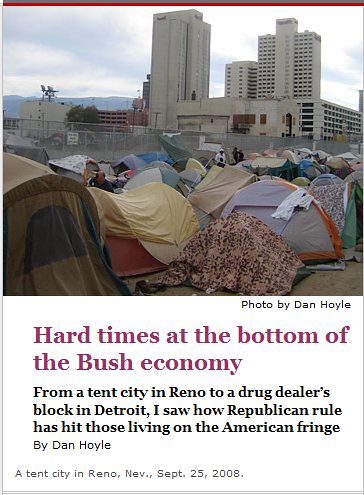
For instance, a reduction in healthcare funding can result in increased mortality rates, decreased life expectancy, and a higher burden of disease, ultimately affecting the economy’s human capital. Moreover, budget cuts can also exacerbate income inequality, as the poorest segments of the population are disproportionately affected by the reduction in social services. In the United States, for example, the budget sequestration in 2013 led to a significant decrease in funding for programs such as Head Start, which provides early childhood education to low-income families.
This not only harmed the most vulnerable members of society but also undermined the country’s long-term economic prospects. Furthermore, the implementation of budget cuts can be highly regressive, with the poorest 10% of the population often bearing the brunt of the reductions. In the European Union, the austerity measures implemented in response to the sovereign debt crisis have been criticized for their disproportionate impact on low-income households.
The negative consequences of budget cuts are not limited to the social sphere; they can also have a profound impact on the environment. A study by the European Environment Agency found that budget cuts can lead to a decline in environmental protection, resulting in increased pollution, biodiversity loss, and climate change. In addition, the reduction in funding for environmental agencies can compromise their ability to enforce regulations, monitor pollution, and develop sustainable policies.
Despite these findings, many governments continue to implement budget cuts, often citing the need to reduce debt and stimulate economic growth. However, this approach is overly simplistic and fails to account for the complex relationships between public expenditure, economic growth, and social welfare. In reality, the relationship between budget cuts and economic growth is more nuanced, and the evidence suggests that the former can actually undermine the latter in the long run.
According to a report by the Organization for Economic Cooperation and Development, the reduction in public expenditure can lead to a decline in aggregate demand, reduced economic activity, and lower tax revenues, ultimately offsetting any potential gains from budget cuts. In conclusion, the economic fallout from budget cuts on public services is a pressing concern that requires a more nuanced and comprehensive approach. Rather than relying solely on budget cuts, governments should prioritize Evidence-Based Policymaking Strategies that balance fiscal responsibility with social and environmental considerations. This can involve investing in high-quality public services, implementing progressive taxation, and promoting sustainable economic growth.
Only by adopting a more holistic approach can governments ensure that their fiscal policies promote economic prosperity, social welfare, and environmental sustainability. With a growing body of evidence highlighting the negative consequences of budget cuts, it is imperative that policymakers reconsider their approach and prioritize the well-being of their citizens and the planet.