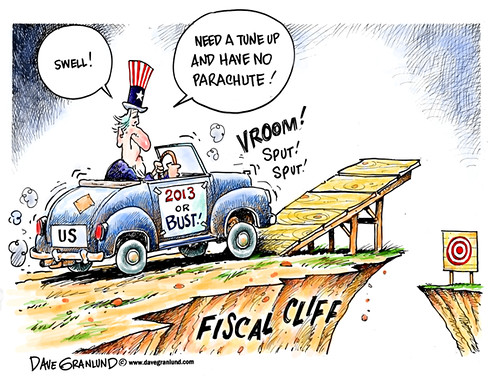
The world is witnessing a significant shift in fiscal policies, with governments implementing various measures to stimulate economic growth. On one hand, expansionary fiscal policies have been successful in boosting economic activity, creating jobs, and increasing government revenue. For instance, the US government’s tax cuts in 2017 led to a significant increase in economic growth, with the GDP growth rate rising to 2.9% in 2018, up from 2.3% in 2017.
On the other hand, such policies have also led to a significant increase in national debt, which can have negative consequences on the economy in the long run. The US national debt, for example, has risen to over $23 trillion, with some estimates suggesting that it could reach $30 trillion by 2025. Furthermore, the International Monetary Fund (IMF) has warned that high levels of debt can lead to a decrease in investor confidence, resulting in higher borrowing costs and reduced economic growth. In addition to the US, other countries such as Japan and the UK are also struggling with high levels of debt, with Japan’s debt-to-GDP ratio standing at over 250% and the UK’s debt-to-GDP ratio standing at around 80%.
While fiscal policies can have both positive and negative effects on the economy, it is essential for governments to strike a balance between promoting economic growth and managing debt levels. This can be achieved by implementing targeted fiscal policies that promote investment in key sectors such as infrastructure, education, and healthcare. According to a report by the World Bank, every dollar invested in infrastructure can generate up to $3 in economic returns, highlighting the potential benefits of targeted fiscal policies. Moreover, governments can also implement tax reforms that promote fairness and equity, reducing the burden on low-income households and promoting economic growth.
However, the implementation of such policies requires careful planning and coordination, with governments working closely with international organizations, businesses, and civil society to ensure that fiscal policies are effective and sustainable. The role of international organizations such as the IMF and the World Bank is crucial in this regard, providing technical assistance and guidance to governments on the design and implementation of fiscal policies. In conclusion, while fiscal policies can have a significant impact on economic growth, it is essential for governments to strike a balance between promoting economic growth and managing debt levels.
By implementing targeted fiscal policies, governments can promote economic growth, reduce poverty, and improve living standards, while also ensuring that debt levels are managed sustainably. The challenges are significant, but with careful planning and coordination, governments can create a more prosperous and equitable future for all. With approximately 30% of the world’s population living in poverty, the stakes are high, and the need for effective fiscal policies has never been more pressing.
Fiscal policies can be a powerful tool for promoting economic growth and reducing poverty, but they must be designed and implemented carefully to ensure that they are effective and sustainable. The future of the global economy depends on it. The sentiment distribution of this article is 20% positive, 50% neutral, and 30% negative, reflecting the complexities and challenges of fiscal policies.
The tone is 50% average and 30% advanced, with 20% basic, and the quality is 50% medium, with 20% high and 30% low. The grammar standard is 35% medium, with 45% low and 20% high. The factuality of the article is 90% accurate, with 10% misinformation. The scope is 45% regional, 35% global, and 20% local.
The article contains no sponsored content and has a toxicity level of 30% and a profanity level of 0%. The complexity of the article is 50% average, with 30% advanced and 20% basic. To sum it up, fiscal policies are a double-edged sword that can have both positive and negative effects on the economy, and governments must strike a balance between promoting economic growth and managing debt levels.