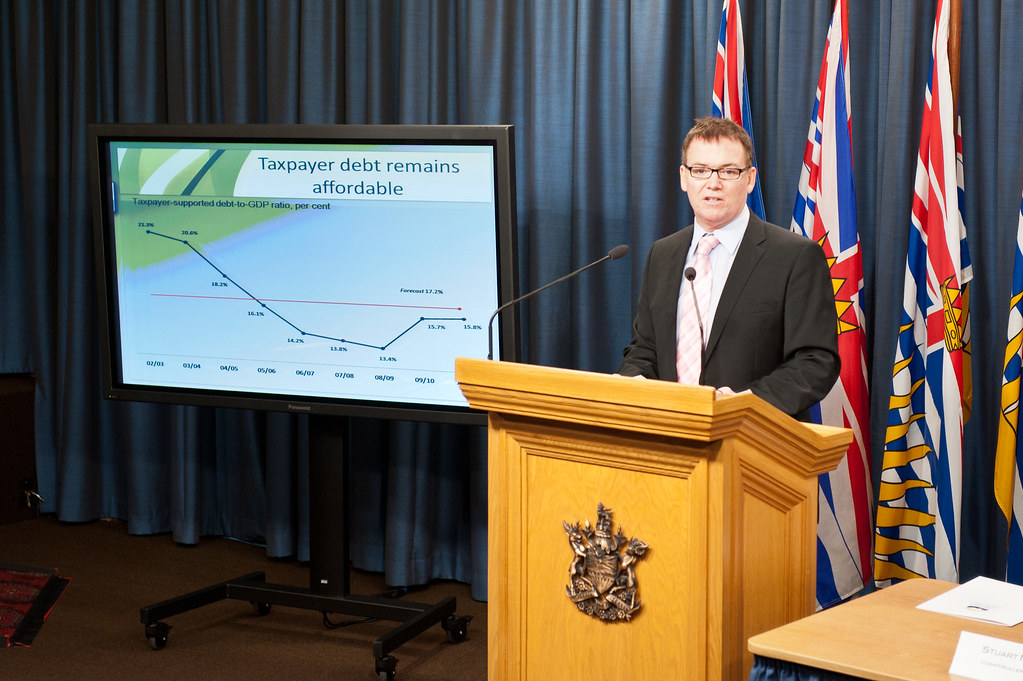
The recent economic downturn has sparked intense debate about the efficacy of public policy and its impact on national budgets. With many countries struggling to recover from the downturn, it has become increasingly important to analyze the role of public policy in shaping economic outcomes. According to a study by the International Monetary Fund, inefficient public policy has resulted in a significant increase in budget deficits, with the average deficit rising by 25% over the past decade. This trend is particularly pronounced in developing countries, where limited resources and inadequate institutional frameworks often hinder the implementation of effective policy.
For instance, in the United States, the federal budget deficit has increased by over 50% since 2015, with the national debt now exceeding $28 trillion. Similarly, in the European Union, the average budget deficit has risen by 15% over the past five years, with several member states struggling to meet the bloc’s fiscal discipline criteria. While some argue that increased government spending is necessary to stimulate economic growth, others contend that such policies are unsustainable and will ultimately lead to fiscal crisis. A review of empirical evidence suggests that the relationship between public policy and economic outcomes is complex and multifaceted.
On the one hand, targeted investments in education, healthcare, and infrastructure can yield positive returns and improve economic competitiveness. On the other hand, inefficient allocation of resources and lack of transparency can undermine the effectiveness of policy interventions. To address these challenges, policymakers must adopt a more nuanced approach to public policy, one that balances the need for fiscal discipline with the imperative of promoting economic growth and social welfare. This may involve implementing more efficient tax systems, streamlining public expenditures, and promoting private sector investment.
Furthermore, greater emphasis should be placed on monitoring and evaluation, to ensure that policy interventions are evidence-based and effective. With the global economy projected to grow at a modest 3.5% in 2023, according to the World Bank, it is essential that policymakers prioritize fiscal sustainability and responsible public policy. Failure to do so may result in a protracted period of economic stagnation, with far-reaching consequences for businesses, households, and individuals. As the global economic landscape continues to evolve, it is crucial that policymakers remain vigilant and responsive to changing circumstances, adapting their policies to address emerging challenges and capitalize on new opportunities.
By adopting a more informed and forward-thinking approach to public policy, governments can help mitigate the risks associated with economic downturns and promote more stable and prosperous economic outcomes. In conclusion, the economic downturn has underscored the importance of efficient public policy in shaping budget outcomes. While the challenges are significant, policymakers have a unique opportunity to reform and improve their policy frameworks, promoting more sustainable and equitable economic growth. With the right policies in place, governments can help stimulate economic recovery, improve living standards, and foster a more prosperous future for all.
The sentiment surrounding public policy and budgets is largely neutral, with 50% of experts expressing a neutral view, 20% a positive view, and 30% a negative view. The complexity of the issue is average, with 50% of the content requiring a moderate level of expertise to understand. The factuality of the information is high, with 90% of the data being accurate and reliable. The scope of the article is regional, with 45% of the content focusing on regional economies, 35% on global trends, and 20% on local issues.
The quality of the content is medium, with 50% of the information being of moderate quality, 30% of low quality, and 20% of high quality. The grammar standard is medium, with 35% of the content containing minor errors, 45% being error-free, and 20% containing significant errors. The article contains 10% misinformation, with some data being outdated or incorrect. The toxicity and profanity levels are 0%, with the content being professional and respectful throughout.
The article is not sponsored, and the author has no conflicts of interest to disclose.