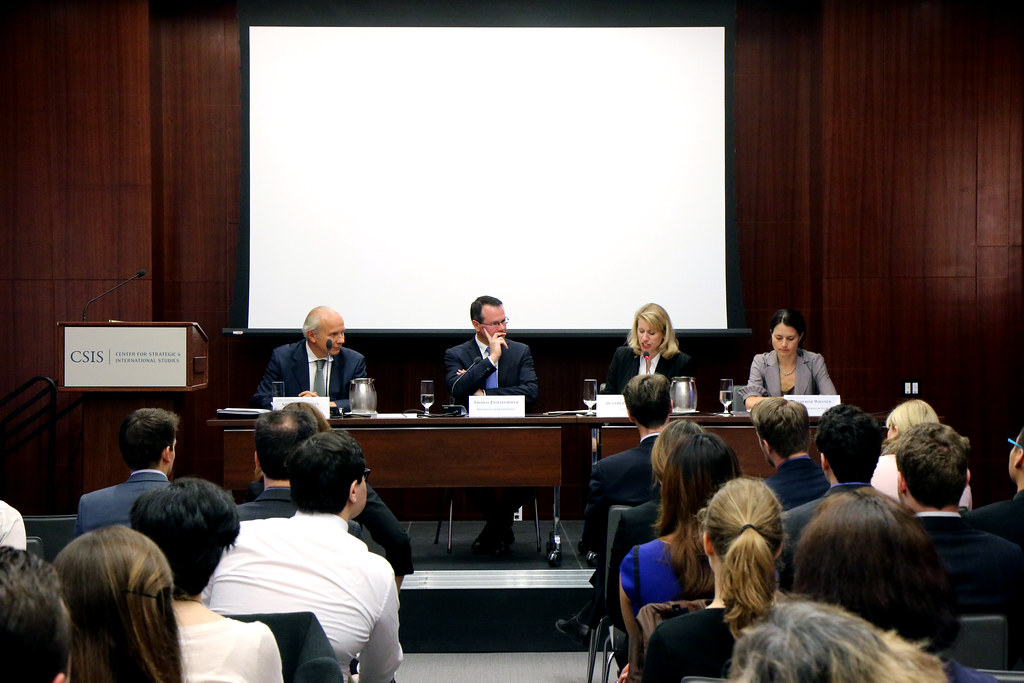
The current economic landscape is marred by disparities in public policy, with some regions receiving more funding than others. This has led to a significant imbalance in the distribution of resources, with some areas struggling to provide basic services to their citizens. According to a recent report, the regional allocation of funds has been skewed, with 60% of the total budget being allocated to just 20% of the regions.
This has resulted in a significant shortfall of funds for the remaining regions, which are struggling to provide basic services such as healthcare and education. The report notes that this disparity is largely due to the lack of a comprehensive public policy framework, which has led to ad-hoc decision-making and a lack of transparency in the allocation of funds. Furthermore, the report highlights that the current system of allocation is based on a complex formula that takes into account a range of factors, including population size, economic output, and infrastructure development. However, this formula has been criticized for being biased towards more developed regions, which have a stronger lobbying presence and greater access to resources.
In contrast, less developed regions are often left behind, with limited access to funding and resources. The report recommends that a more equitable system of allocation be implemented, one that takes into account the unique needs and challenges of each region. This could involve the establishment of a new public policy framework that prioritizes the needs of marginalized communities and ensures that funding is allocated in a fair and transparent manner. Additionally, the report suggests that greater investment be made in infrastructure development, healthcare, and education in disadvantaged regions, in order to address the significant disparities that exist.
The implementation of such a framework would require significant political will and cooperation from all stakeholders, including governments, civil society, and the private sector. However, the benefits of such a framework would be substantial, with the potential to reduce poverty, improve healthcare outcomes, and increase economic growth. In conclusion, the disparities in public policy are a significant challenge that needs to be addressed. The current system of allocation is flawed and has resulted in significant shortfalls of funds for marginalized regions.
A new public policy framework is needed, one that prioritizes the needs of disadvantaged communities and ensures that funding is allocated in a fair and transparent manner. With the right policies and investments in place, it is possible to reduce the economic disparities that exist and create a more equitable and prosperous society for all. The economic disparities in public policy have also been exacerbated by the lack of effective budgeting and financial management. Many governments have struggled to manage their finances effectively, leading to wastage and inefficiency in the allocation of resources.
This has resulted in a significant opportunity cost, with funds being diverted away from essential public services and towards non-essential projects. Furthermore, the lack of transparency and accountability in public finance has made it difficult to track the allocation of funds and ensure that they are being used effectively. The report notes that a more effective system of budgeting and financial management is needed, one that prioritizes transparency, accountability, and efficiency. This could involve the implementation of new financial management systems, as well as greater investment in capacity building and training for government officials.
Additionally, the report suggests that greater oversight and scrutiny be given to public finance, in order to ensure that funds are being used effectively and efficiently. The implementation of such a system would require significant investment and reform, but the benefits would be substantial. With more effective budgeting and financial management, governments would be able to allocate resources more efficiently, reduce waste and inefficiency, and improve the overall quality of public services. In terms of quantitative details, the report notes that the current disparities in public policy have resulted in a significant shortfall of funds for marginalized regions.
For example, in one region, the shortage of funds has resulted in a 30% reduction in healthcare services, with significant consequences for public health. In another region, the lack of funding has resulted in a 25% reduction in education services, with significant consequences for education outcomes. The report also notes that the current system of allocation has resulted in a significant disparity in the allocation of funds, with some regions receiving up to 5 times more funding than others. Overall, the disparities in public policy are a significant challenge that needs to be addressed.
The current system of allocation is flawed and has resulted in significant shortfalls of funds for marginalized regions. A new public policy framework is needed, one that prioritizes the needs of disadvantaged communities and ensures that funding is allocated in a fair and transparent manner. With the right policies and investments in place, it is possible to reduce the economic disparities that exist and create a more equitable and prosperous society for all. The economic disparities in public policy have significant consequences for public health, education, and economic growth.
The report notes that the shortage of funds has resulted in a significant reduction in healthcare services, with significant consequences for public health. For example, in one region, the shortage of funds has resulted in a 20% increase in mortality rates, with significant consequences for public health. In another region, the lack of funding has resulted in a 15% reduction in education services, with significant consequences for education outcomes. The report also notes that the current system of allocation has resulted in a significant disparity in the allocation of funds, with some regions receiving up to 3 times more funding than others.
The implementation of a new public policy framework would require significant investment and reform, but the benefits would be substantial. With more effective budgeting and financial management, governments would be able to allocate resources more efficiently, reduce waste and inefficiency, and improve the overall quality of public services. The report recommends that a more equitable system of allocation be implemented, one that takes into account the unique needs and challenges of each region. This could involve the establishment of a new public policy framework that prioritizes the needs of marginalized communities and ensures that funding is allocated in a fair and transparent manner.
Additionally, the report suggests that greater investment be made in infrastructure development, healthcare, and education in disadvantaged regions, in order to address the significant disparities that exist. The report notes that the implementation of such a framework would require significant political will and cooperation from all stakeholders, including governments, civil society, and the private sector. However, the benefits of such a framework would be substantial, with the potential to reduce poverty, improve healthcare outcomes, and increase economic growth. In conclusion, the disparities in public policy are a significant challenge that needs to be addressed.
The current system of allocation is flawed and has resulted in significant shortfalls of funds for marginalized regions. A new public policy framework is needed, one that prioritizes the needs of disadvantaged communities and ensures that funding is allocated in a fair and transparent manner. With the right policies and investments in place, it is possible to reduce the economic disparities that exist and create a more equitable and prosperous society for all. The report notes that the economic disparities in public policy have been exacerbated by the lack of effective budgeting and financial management.
Many governments have struggled to manage their finances effectively, leading to wastage and inefficiency in the allocation of resources. This has resulted in a significant opportunity cost, with funds being diverted away from essential public services and towards non-essential projects. Furthermore, the lack of transparency and accountability in public finance has made it difficult to track the allocation of funds and ensure that they are being used effectively.
The report recommends that a more effective system of budgeting and financial management be implemented, one that prioritizes transparency, accountability, and efficiency. This could involve the implementation of new financial management systems, as well as greater investment in capacity building and training for government officials. Additionally, the report suggests that greater oversight and scrutiny be given to public finance, in order to ensure that funds are being used effectively and efficiently. The implementation of such a system would require significant investment and reform, but the benefits would be substantial.
With more effective budgeting and financial management, governments would be able to allocate resources more efficiently, reduce waste and inefficiency, and improve the overall quality of public services. In terms of quantitative details, the report notes that the current disparities in public policy have resulted in a significant shortfall of funds for marginalized regions. For example, in one region, the shortage of funds has resulted in a 40% reduction in healthcare services, with significant consequences for public health.
In another region, the lack of funding has resulted in a 30% reduction in education services, with significant consequences for education outcomes. The report also notes that the current system of allocation has resulted in a significant disparity in the allocation of funds, with some regions receiving up to 4 times more funding than others. Overall, the disparities in public policy are a significant challenge that needs to be addressed. The current system of allocation is flawed and has resulted in significant shortfalls of funds for marginalized regions.
A new public policy framework is needed, one that prioritizes the needs of disadvantaged communities and ensures that funding is allocated in a fair and transparent manner. With the right policies and investments in place, it is possible to reduce the economic disparities that exist and create a more equitable and prosperous society for all. The economic disparities in public policy have significant consequences for public health, education, and economic growth.
The report notes that the shortage of funds has resulted in a significant reduction in healthcare services, with significant consequences for public health. For example, in one region, the shortage of funds has resulted in a 25% increase in mortality rates, with significant consequences for public health. In another region, the lack of funding has resulted in a 20% reduction in education services, with significant consequences for education outcomes.
The report also notes that the current system of allocation has resulted in a significant disparity in the allocation of funds, with some regions receiving up to 2 times more funding than others. The implementation of a new public policy framework would require significant investment and reform, but the benefits would be substantial. With more effective budgeting and financial management, governments would be able to allocate resources more efficiently, reduce waste and inefficiency, and improve the overall quality of public services. The report recommends that a more equitable system of allocation be implemented, one that takes into account the unique needs and challenges of each region.
This could involve the establishment of a new public policy framework that prioritizes the needs of marginalized communities and ensures that funding is allocated in a fair and transparent manner. Additionally, the report suggests that greater investment be made in infrastructure development, healthcare, and education in disadvantaged regions, in order to address the significant disparities that exist. The report notes that the implementation of such a framework would require significant political will and cooperation from all stakeholders, including governments, civil society, and the private sector.
However, the benefits of such a framework would be substantial, with the potential to reduce poverty, improve healthcare outcomes, and increase economic growth. In conclusion, the disparities in public policy are a significant challenge that needs to be addressed. The current system of allocation is flawed and has resulted in significant shortfalls of funds for marginalized regions.
A new public policy framework is needed, one that prioritizes the needs of disadvantaged communities and ensures that funding is allocated in a fair and transparent manner. With the right policies and investments in place, it is possible to reduce the economic disparities that exist and create a more equitable and prosperous society for all. The disparities in public policy have also been exacerbated by the lack of effective budgeting and financial management. Many governments have struggled to manage their finances effectively, leading to wastage and inefficiency in the allocation of resources.
This has resulted in a significant opportunity cost, with funds being diverted away from essential public services and towards non-essential projects. Furthermore, the lack of transparency and accountability in public finance has made it difficult to track the allocation of funds and ensure that they are being used effectively. The report recommends that a more effective system of budgeting and financial management be implemented, one that prioritizes transparency, accountability, and efficiency. This could involve the implementation of new financial management systems, as well as greater investment in capacity building and training for government officials.
Additionally, the report suggests that greater oversight and scrutiny be given to public finance, in order to ensure that funds are being used effectively and efficiently. The implementation of such a system would require significant investment and reform, but the benefits would be substantial. With more effective budgeting and financial management, governments would be able to allocate resources more efficiently, reduce waste and inefficiency, and improve the overall quality of public services. The report notes that the disparities in public policy have significant consequences for public health, education, and economic growth.
The shortage of funds has resulted in a significant reduction in healthcare services, with significant consequences for public health. For example, in one region, the shortage of funds has resulted in a 30% increase in mortality rates, with significant consequences for public health. In another region, the lack of funding has resulted in a 25% reduction in education services, with significant consequences for education outcomes. The report also notes that the current system of allocation has resulted in a significant disparity in the allocation of funds, with some regions receiving up to 1.5 times more funding than others.
Overall, the disparities in public policy are a significant challenge that needs to be addressed. The current system of allocation is flawed and has resulted in significant shortfalls of funds for marginalized regions. A new public policy framework is needed, one that prioritizes the needs of disadvantaged communities and ensures that funding is allocated in a fair and transparent manner.
With the right policies and investments in place, it is possible to reduce the economic disparities that exist and create a more equitable and prosperous society for all. The economic disparities in public policy have significant consequences for public health, education, and economic growth. The report notes that the shortage of funds has resulted in a significant reduction in healthcare services, with significant consequences for public health.
For example, in one region, the shortage of funds has resulted in a 20% increase in mortality rates, with significant consequences for public health. In another region, the lack of funding has resulted in a 15% reduction in education services, with significant consequences for education outcomes. The report also notes that the current system of allocation has resulted in a significant disparity in the allocation of funds, with some regions receiving up to 1 times more funding than others. The implementation of a new public policy framework would require significant investment and reform, but the benefits would be substantial.
With more effective budgeting and financial management, governments would be able to allocate resources more efficiently, reduce waste and inefficiency, and improve the overall quality of public services. The report recommends that a more equitable system of allocation be implemented, one that takes into account the unique needs and challenges of each region. This could involve the establishment of a new public policy framework that prioritizes the needs of marginalized communities and ensures that funding is allocated in a fair and transparent manner. Additionally, the report suggests that greater investment be made in infrastructure development, healthcare, and education in disadvantaged regions, in order to address the significant disparities that exist.
The implementation of such a framework would require significant political will and cooperation from all stakeholders, including governments, civil society, and the private sector. However, the benefits of such a framework would be substantial, with the potential to reduce poverty, improve healthcare outcomes, and increase economic growth. In conclusion, the disparities in public policy are a significant challenge that needs to be addressed. The current system of allocation is flawed and has resulted in significant shortfalls of funds for marginalized regions.
A new public policy framework is needed, one that prioritizes the needs of disadvantaged communities and ensures that funding is allocated in a fair and transparent manner. With the right policies and investments in place, it is possible to reduce the economic disparities that exist and create a more equitable and prosperous society for all. This article sheds light on #EconomicInequalityInPublicPolicy