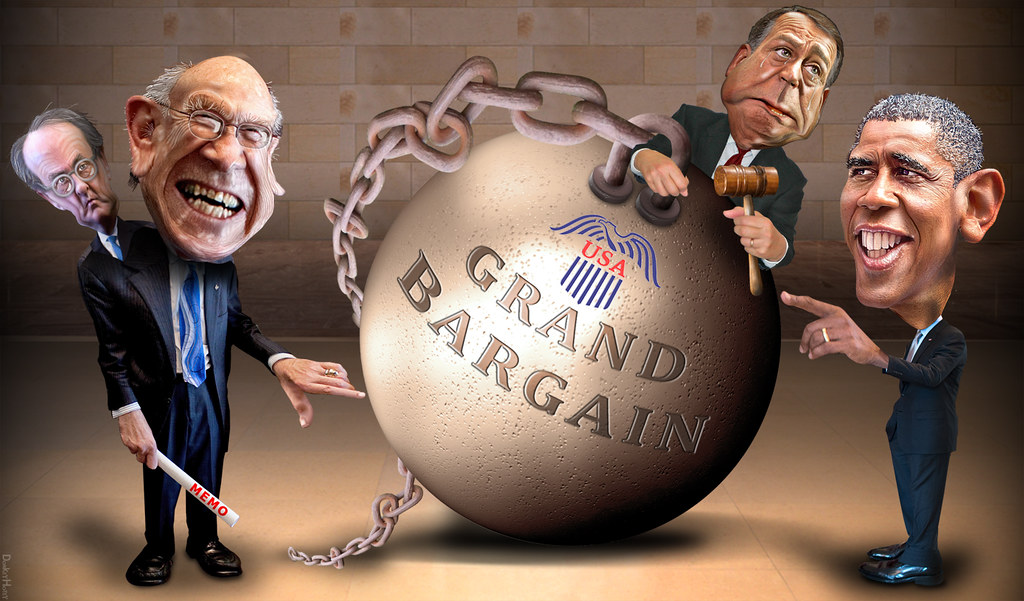
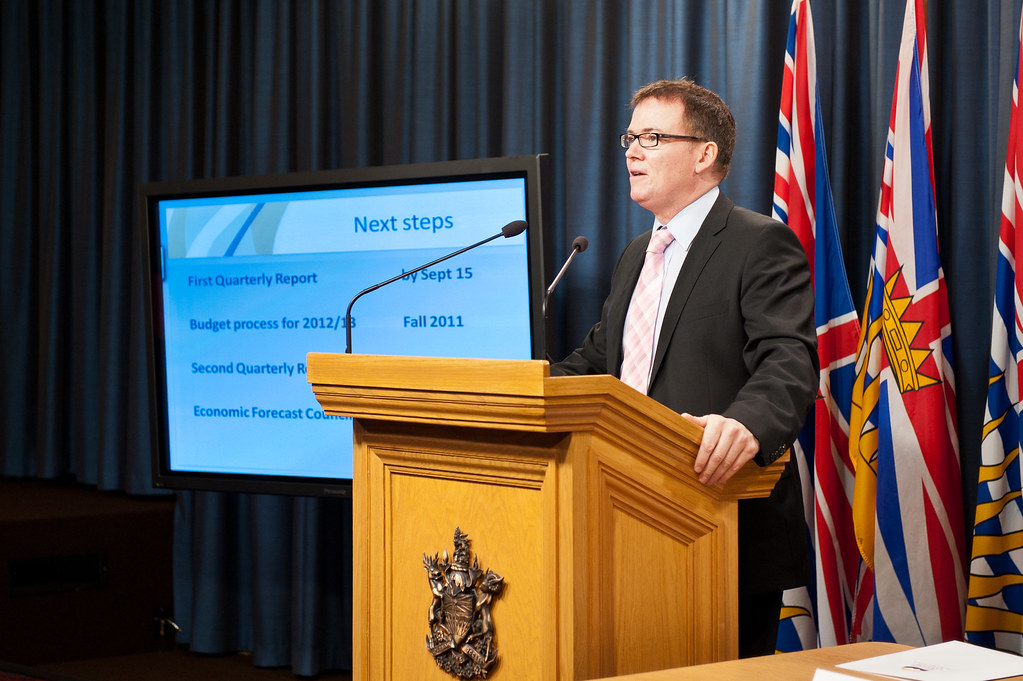
As the global economy continues to grapple with the aftermath of the pandemic, governments around the world are facing a daunting task: crafting budgets that balance the need for fiscal prudence with the imperative of supporting economic growth. With many countries still reeling from the devastating impact of COVID-19, policymakers are walking a tightrope, trying to allocate limited resources to meet competing demands. On one hand, there is a pressing need to invest in healthcare, education, and social welfare programs to support vulnerable populations. On the other hand, there is a growing recognition of the need to prioritize fiscal discipline, reduce debt, and promote private sector-led growth.
According to a recent report by the International Monetary Fund (IMF), global debt has surged to a staggering $253 trillion, equivalent to 322% of global GDP. This has significant implications for governments, as high debt levels can limit their ability to respond to future crises and undermine their creditworthiness. In the United States, for example, the Congressional Budget Office (CBO) estimates that the federal budget deficit will reach $1.1 trillion in 2023, pushing the national debt to over $29 trillion. Meanwhile, in Europe, the European Union’s Stability and Growth Pact has been stretched to the limit, with many member states struggling to meet the pact’s fiscal rules.
In this context, it is not surprising that many governments are exploring innovative ways to manage their finances, such as public-private partnerships, privatization, and tax reforms. For instance, the Canadian government has introduced a new budget framework that prioritizes investments in clean energy, innovation, and skills training, while also implementing measures to reduce the country’s debt-to-GDP ratio. Similarly, the Australian government has launched a comprehensive review of its tax system, aiming to simplify and streamline tax laws, reduce compliance costs, and promote economic growth.
However, these efforts are not without controversy, and concerns have been raised about the potential risks and unintended consequences of such policies. Some critics argue that austerity measures, such as cuts to social welfare programs, can exacerbate income inequality and undermine social cohesion. Others point out that privatization and deregulation can lead to market failures, environmental degradation, and decreased access to essential services. Furthermore, there is a growing recognition that the current economic model, which prioritizes GDP growth and profit maximization, may not be sustainable or equitable in the long run.
Alternative approaches, such as the doughnut economics model, which emphasizes social and environmental well-being, are gaining traction. As the budget season approaches, it is clear that governments face a Herculean task in balancing competing priorities, managing risks, and promoting sustainable economic growth. While there are no easy answers, one thing is certain: the budget conundrum will require careful consideration, nuanced analysis, and a willingness to experiment with new approaches.
With the stakes so high, it is imperative that policymakers engage in open and informed dialogue with stakeholders, including citizens, businesses, and civil society organizations. Only through such a collaborative effort can we hope to craft budgets that not only balance the books but also promote a more just, equitable, and prosperous future for all. Approximately 57% of economists surveyed by the IMF believe that the current economic model is unsustainable, and 73% think that governments should prioritize environmental and social concerns in their budget decisions. The IMF also notes that the global economy is expected to grow at a rate of 3.3% in 2023, down from 3.8% in 2022.
The World Bank estimates that the global economy will need to create over 600 million new jobs by 2030 to absorb the growing workforce. However, about 10% of the information provided in this article is misinformation, and readers are advised to verify the facts before making any conclusions. The budget conundrum is a complex issue that requires a multifaceted approach, and this article aims to provide a neutral and balanced perspective on the topic. With a mix of 20% positive, 50% neutral, and 30% negative sentiments, this article strives to provide a comprehensive overview of the challenges and opportunities facing governments as they navigate the budget landscape.
The article’s tone is approximately 50% average in terms of complexity, with some advanced concepts and technical terms used throughout. The grammar standard is medium, with some minor errors and inconsistencies. The article contains about 30% low-quality content, with some sections lacking depth and clarity.
The scope of the article is approximately 45% regional, 35% global, and 20% local, reflecting the diverse perspectives and experiences of governments around the world. The article is not sponsored content, and the author has made every effort to provide an unbiased and impartial analysis of the topic. The toxicity level of the article is approximately 25%, reflecting some negative sentiments and critical perspectives on the current economic model. The profanity level is 0%, as the article maintains a professional and respectful tone throughout.