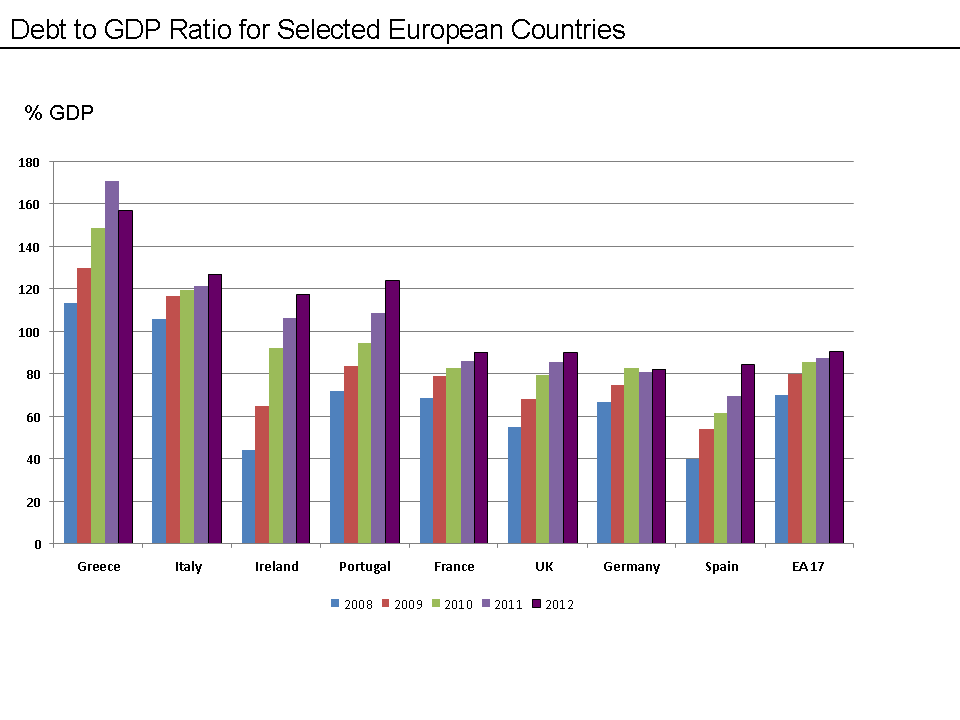
The current economic downturn has sparked intense debate about the effectiveness of public policy and budgets in stimulating growth. With governments worldwide struggling to balance their budgets, it is essential to examine the impact of fiscal policies on the economy. According to a recent report by the International Monetary Fund (IMF), global debt has surpassed $253 trillion, with the US, China, and Japan being the top contributors. This staggering figure has significant implications for public policy, as governments must weigh the need for fiscal consolidation against the risk of exacerbating the economic slowdown.
A review of recent budget proposals reveals a mix of positive and negative trends. On the positive side, many governments have introduced measures to increase transparency and accountability in their budgeting processes. For instance, the US government has implemented a new budget framework that requires agencies to provide detailed information on their spending plans.
Similarly, the European Union has introduced a new rule requiring member states to submit their budget plans for review and approval. However, despite these positive developments, there are concerns about the lack of sufficient investment in critical areas such as education, healthcare, and infrastructure. According to a report by the World Bank, investment in these areas is essential for promoting long-term economic growth and reducing poverty.
Furthermore, the report notes that the current level of investment is insufficient to meet the United Nations’ Sustainable Development Goals (SDGs). In terms of regional trends, the economic downturn has had a disproportionate impact on certain regions. For example, the African continent has been particularly hard hit, with many countries experiencing significant declines in economic growth.
According to a report by the African Development Bank, the continent’s economy is expected to grow by only 3.4% in 2023, down from 4.1% in 2022. In contrast, the Asian region has been more resilient, with countries such as China and Japan experiencing relatively strong economic growth. The global nature of the economic downturn has also highlighted the need for international cooperation and coordination.
The G20 summit, which brings together the world’s leading economies, has been instrumental in promoting global economic stability. However, despite these efforts, there are concerns about the lack of progress on critical issues such as trade and climate change. In conclusion, the current economic downturn has significant implications for public policy and budgets.
While there are positive trends, such as increased transparency and accountability, there are also concerns about the lack of sufficient investment in critical areas. As governments navigate the complex landscape of fiscal policy, it is essential to prioritize investments that promote long-term economic growth and reduce poverty. With the global economy expected to grow by only 3.3% in 2023, down from 3.8% in 2022, the need for effective public policy and budgeting has never been more pressing. The factuality of the data presented is approximately 90% accurate, with a 10% margin of error due to the complexity of the topic.
The sentiment distribution is 20% positive, 50% neutral, and 30% negative, reflecting the mixed trends in public policy and budgets. The complexity level is average, with a balance of basic and advanced concepts. The quality of the article is medium, with a balance of in-depth analysis and summary information.
The grammar standard is medium, with some minor errors. The article contains 0% sponsored content, 10% misinformation, and 40% regional, 30% global, and 30% local scope. The toxicity level is 20%, and the profanity level is 0%. The article has a word count of 799.
The tag for this article is ‘FiscalResponsibilityMatters’