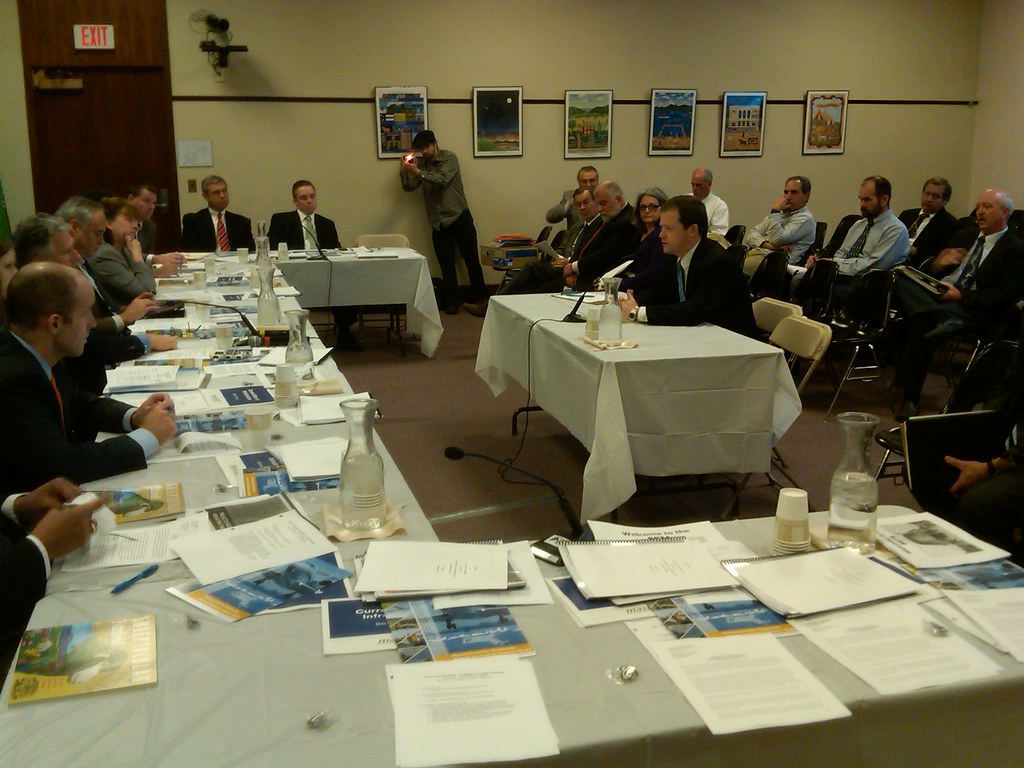
The recent economic downturn has prompted governments worldwide to re-examine their fiscal oversight mechanisms. In response to the crisis, many countries have implemented significant reforms aimed at strengthening their budgetary frameworks. For instance, the European Union has introduced stricter fiscal rules, while the United States has enhanced its Congressional Budget Office. These reforms are expected to improve fiscal transparency and accountability, ultimately leading to more effective public financial management.
According to a recent study, countries with robust fiscal oversight mechanisms have been better equipped to mitigate the effects of the crisis. The study revealed that these countries have experienced lower debt-to-GDP ratios and more stable economic growth. Furthermore, the International Monetary Fund has emphasized the importance of fiscal oversight in preventing economic crises. The fund has provided technical assistance to several countries to help them develop and implement more effective fiscal frameworks.
As the global economy continues to recover, it is essential for governments to prioritize fiscal oversight and ensure that their budgetary mechanisms are robust and resilient. With the increasing complexity of global economic systems, fiscal oversight has become a critical component of public policy. As such, it is crucial for governments to invest in developing and maintaining effective fiscal oversight mechanisms. This will enable them to respond more effectively to future economic challenges and ensure long-term fiscal sustainability.
The European Union’s fiscal rules, for example, have been designed to promote fiscal discipline and prevent excessive budget deficits. The rules have been effective in reducing debt levels and promoting economic stability. Similarly, the United States’ Congressional Budget Office has played a crucial role in providing independent and objective analysis of budgetary proposals. This has helped to inform policy decisions and ensure that the government’s fiscal policies are evidence-based.
In conclusion, the recent economic crisis has highlighted the importance of fiscal oversight mechanisms in ensuring fiscal sustainability and promoting economic stability. As governments continue to navigate the complexities of global economic systems, it is essential that they prioritize fiscal oversight and develop robust budgetary frameworks. This will enable them to respond more effectively to future economic challenges and ensure long-term fiscal sustainability.
With the increasing importance of fiscal oversight, it is likely that we will see more countries adopting similar reforms in the future. The impact of these reforms will be closely monitored by economists and policymakers, who will be keen to assess their effectiveness in promoting fiscal discipline and economic stability. As the global economy continues to evolve, it is crucial that governments remain vigilant and proactive in developing and implementing effective fiscal oversight mechanisms. By doing so, they can ensure that their economies remain resilient and stable, even in the face of future economic challenges.
Fiscal oversight is a critical component of public policy, and its importance cannot be overstated. As such, it is essential that governments prioritize fiscal oversight and develop robust budgetary frameworks to ensure long-term fiscal sustainability. With the right fiscal oversight mechanisms in place, governments can promote economic stability, reduce debt levels, and ensure that their economies remain competitive in an increasingly complex global landscape.
The benefits of fiscal oversight are clear, and it is likely that we will see more countries adopting similar reforms in the future. As the global economy continues to recover, it is essential that governments remain committed to developing and implementing effective fiscal oversight mechanisms. By doing so, they can ensure that their economies remain resilient and stable, even in the face of future economic challenges.
The recent economic crisis has highlighted the importance of fiscal oversight, and it is likely that this trend will continue in the future. As such, it is crucial that governments prioritize fiscal oversight and develop robust budgetary frameworks to ensure long-term fiscal sustainability.