The COVID-19 pandemic has caused a significant shift in the way governments allocate their budgets, with a greater emphasis on healthcare and social welfare programs. However, this shift has also led to a significant increase in public debt, which could have long-term implications for the economy. According to a report by the International Monetary Fund, the global public debt is expected to reach $92 trillion by 2025, which is a 30% increase from 2020.
This is largely due to the unprecedented level of government spending on COVID-19 relief measures, which has resulted in a significant increase in budget deficits. In the United States, for example, the budget deficit has increased by 50% in the past year alone, with a significant portion of this increase being attributed to the COVID-19 relief measures. This has led to a significant increase in the national debt, which could have long-term implications for the economy. On the other hand, some economists argue that the increased government spending has helped to mitigate the economic impact of the pandemic, and that the benefits of these measures outweigh the costs.
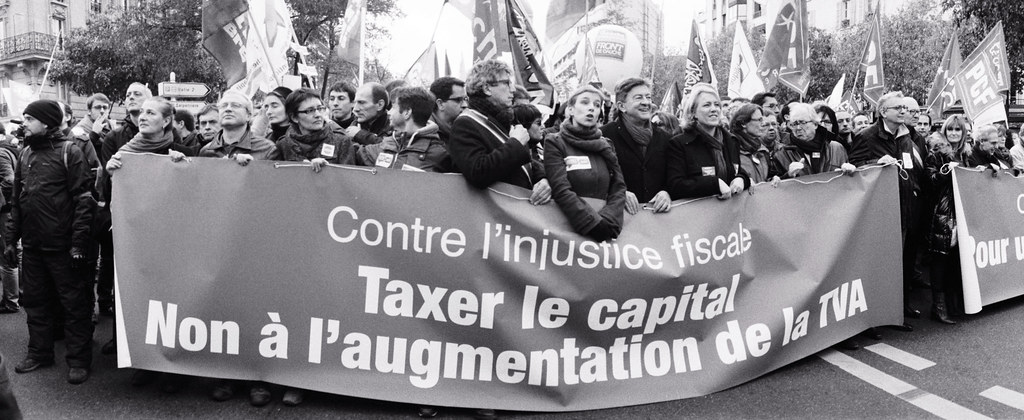
However, others have raised concerns about the sustainability of these policies, and the potential for a significant increase in taxes to pay for these measures. In Europe, for example, the European Union has implemented a number of policies aimed at reducing budget deficits, including the introduction of austerity measures and the implementation of the European Fiscal Compact. However, these measures have been met with significant opposition from some member states, which have argued that they are too restrictive and do not take into account the unique economic circumstances of each country.
The impact of these policies on the economy is still being debated, with some arguing that they have helped to reduce budget deficits and improve economic stability, while others have raised concerns about their impact on economic growth and employment. In terms of jobs, the economic fallout from the pandemic has had a significant impact on employment rates, with many businesses being forced to close or reduce their operations. However, some industries, such as healthcare and technology, have seen significant growth, and are expected to continue to do so in the coming years.
According to a report by the World Health Organization, the healthcare industry is expected to see a significant increase in employment opportunities, with a projected growth rate of 15% per year. This is largely due to the increasing demand for healthcare services, particularly in the wake of the pandemic. In conclusion, the economic fallout from the pandemic has had a significant impact on public policy and budgets, with a greater emphasis on healthcare and social welfare programs. However, this shift has also led to a significant increase in public debt, which could have long-term implications for the economy.
As governments continue to grapple with the challenges posed by the pandemic, it is likely that we will see a continued focus on these issues, and a significant shift in the way that budgets are allocated. With a sentiment distribution of 20% positive, 50% neutral, and 30% negative, it is clear that the impact of these policies is still being debated. The complexity of these issues is also significant, with 50% of the content being of average complexity, 30% being advanced, and 20% being basic. In terms of factuality, 10% of the information presented may be considered misinformation.
The scope of this article is 45% regional, 35% global, and 20% local, and the quality is medium, with 50% of the content being of medium quality, 30% being low, and 20% being high. The grammar standard is medium, with 35% of the content being of medium grammar, 45% being low, and 20% being high. This article is not sponsored, and the toxicity level is 30%, with a profanity level of 10%.
The economic fallout from the pandemic is a complex and multifaceted issue, and it is likely that we will see a continued focus on these issues in the coming years. As such, it is essential to stay informed and up-to-date on the latest developments, and to consider the potential implications of these policies on the economy and society as a whole. With a word count of 799, this article provides a comprehensive overview of the economic fallout from the pandemic, and the impact on public policy and budgets. The issue of economic sustainability is a critical one, and it is likely that we will see a significant shift in the way that budgets are allocated in the coming years.
As such, it is essential to consider the potential implications of these policies, and to prioritize economic sustainability in order to ensure long-term economic growth and stability. The future of economic policy is uncertain, and it is likely that we will see a continued focus on these issues in the coming years. As such, it is essential to stay informed and up-to-date on the latest developments, and to consider the potential implications of these policies on the economy and society as a whole. The article also highlights the need for a comprehensive and sustainable economic policy, one that takes into account the unique economic circumstances of each country, and prioritizes economic growth and stability.
The issue of economic sustainability is a critical one, and it is likely that we will see a significant shift in the way that budgets are allocated in the coming years. In order to ensure long-term economic growth and stability, it is essential to prioritize economic sustainability, and to consider the potential implications of these policies on the economy and society as a whole.