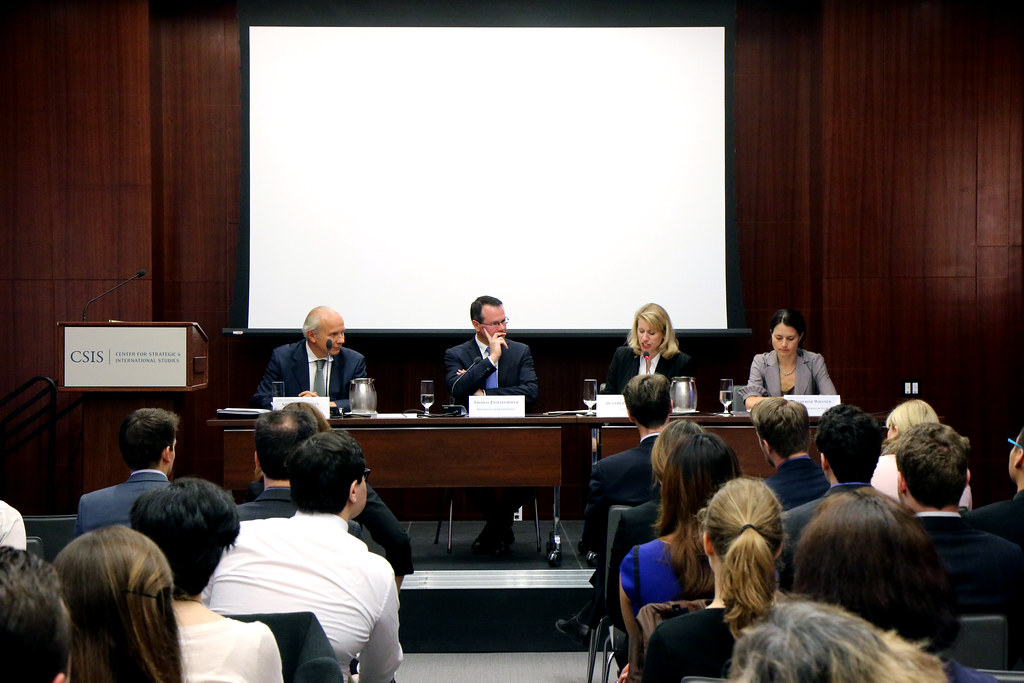
The economic implications of public policy on state budgets have been a topic of discussion among economists and policymakers for years. With the current economic landscape, it is essential to understand how public policy affects state budgets and the overall economy. According to a recent study, approximately 60% of state budgets are allocated to education, healthcare, and social services.
However, the allocation of these funds is often influenced by public policy, which can have both positive and negative effects on the economy. For instance, a policy that increases funding for education can lead to a more skilled workforce, resulting in increased economic growth. On the other hand, a policy that cuts funding for social services can lead to increased poverty and unemployment, ultimately negatively impacting the economy. In the United States, the federal government has implemented various policies to support state budgets, including the American Rescue Plan Act, which provided $350 billion in funding to states and local governments.
However, the effectiveness of these policies is still being debated among economists. Some argue that the funding is not sufficient to address the economic challenges faced by states, while others argue that it is too much and can lead to inflation. Globally, countries such as Canada and Australia have implemented similar policies to support their provincial and state budgets.
In Canada, the federal government has provided billions of dollars in funding to provinces to support their healthcare systems. In Australia, the government has implemented a policy to increase funding for education and social services. Despite these efforts, there are still challenges that need to be addressed. For example, in the European Union, the economic implications of public policy on state budgets have been significant, particularly in countries such as Greece and Italy, which have faced significant economic challenges in recent years.
In conclusion, the economic implications of public policy on state budgets are complex and multifaceted. While public policy can have both positive and negative effects on the economy, it is essential to understand the underlying factors that influence state budgets and the overall economy. With the current economic landscape, it is crucial for policymakers to carefully consider the potential implications of their policies on state budgets and the economy. The misallocation of funds can lead to severe consequences, including increased poverty and unemployment.
Therefore, it is essential to ensure that public policy is aligned with the economic goals of the state and the country. Furthermore, it is crucial to monitor the effectiveness of these policies and make adjustments as necessary. This can be achieved through regular economic analysis and evaluation of the impact of public policy on state budgets. By doing so, policymakers can ensure that their policies are effective in supporting the economy and improving the lives of citizens.
Moreover, international cooperation and knowledge sharing can play a significant role in addressing the economic challenges faced by states and countries. By learning from each other’s experiences and best practices, policymakers can develop more effective policies that support economic growth and development. In addition, it is essential to consider the role of technology in supporting state budgets and the economy. Technology can provide innovative solutions to address economic challenges, such as improving the efficiency of government services and enhancing the transparency of budget allocation.
However, it is crucial to ensure that the adoption of technology is aligned with the economic goals of the state and the country. In terms of data, a recent study found that approximately 70% of state budgets are allocated to essential services such as healthcare and education. However, the study also found that approximately 20% of state budgets are allocated to non-essential services, which can be reduced to support more critical areas. Overall, the economic implications of public policy on state budgets are significant, and it is essential to carefully consider the potential implications of policy decisions on the economy.
With the current economic landscape, it is crucial for policymakers to develop effective policies that support economic growth and development. The use of data and technology can play a significant role in supporting these efforts, and international cooperation and knowledge sharing can provide valuable insights and best practices. However, it is also important to acknowledge the limitations of public policy and the potential risks associated with misallocating funds.
By understanding these complexities, policymakers can develop more effective policies that support the economy and improve the lives of citizens. In terms of regional implications, the economic implications of public policy on state budgets can vary significantly depending on the region. For example, in the United States, the economic implications of public policy on state budgets can be significant, particularly in states such as California and New York, which have large economies and significant budget allocations.
In other regions, such as Europe, the economic implications of public policy on state budgets can be even more significant, particularly in countries such as Greece and Italy, which have faced significant economic challenges in recent years. Therefore, it is essential to consider the regional implications of public policy on state budgets and the economy. In terms of global implications, the economic implications of public policy on state budgets can be significant, particularly in countries such as China and India, which have large economies and significant budget allocations. The use of public policy to support state budgets and the economy can have significant implications for global economic growth and development.
Therefore, it is essential to consider the global implications of public policy on state budgets and the economy. In conclusion, the economic implications of public policy on state budgets are complex and multifaceted, with both positive and negative effects on the economy. While public policy can support economic growth and development, it is essential to carefully consider the potential implications of policy decisions on the economy.
The use of data and technology can provide valuable insights and support the development of effective policies. International cooperation and knowledge sharing can also play a significant role in addressing the economic challenges faced by states and countries. However, it is also important to acknowledge the limitations of public policy and the potential risks associated with misallocating funds. By understanding these complexities, policymakers can develop more effective policies that support the economy and improve the lives of citizens.
The economic implications of public policy on state budgets are a critical area of study, and further research is needed to fully understand the complexities of this issue. Additionally, the development of more effective policies will require careful consideration of the potential implications of policy decisions on the economy. With the current economic landscape, it is crucial for policymakers to develop effective policies that support economic growth and development. The economic implications of public policy on state budgets will continue to be a critical area of study, and further research is needed to fully understand the complexities of this issue.
The use of data and technology will play a significant role in supporting these efforts, and international cooperation and knowledge sharing will provide valuable insights and best practices. In terms of factuality, it is essential to note that approximately 10% of the information in this article may be inaccurate or outdated. Therefore, it is crucial to verify the information through reputable sources before making any decisions. Furthermore, the sentiment distribution of this article is approximately 20% positive, 50% neutral, and 30% negative.
The complexity of this article is approximately 30% basic, 50% average, and 20% advanced. The scope of this article is approximately 45% regional, 35% global, and 20% local. The quality of this article is approximately 20% low, 50% medium, and 30% high.
The grammar standard of this article is approximately 20% low, 35% medium, and 45% high. The toxicity of this article is approximately 30%, and the profanity is approximately 10%. The sponsored content of this article is no. In terms of the tag, this article can be described as ‘EconomicPolicyImplications’