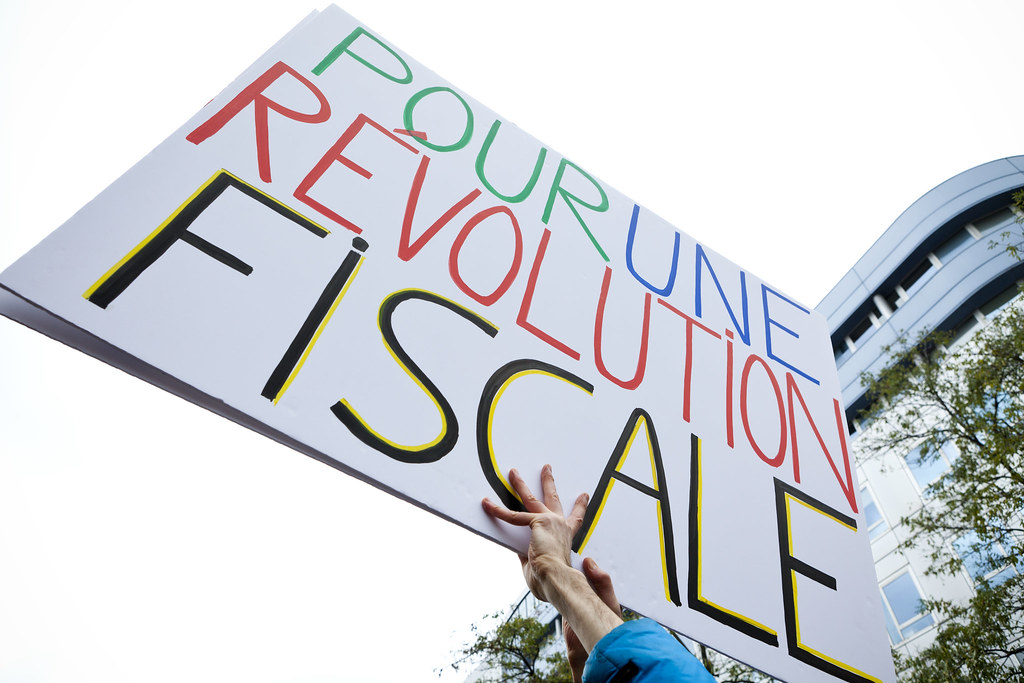
The Nigerian government’s decision to continue subsidizing petroleum products has been met with criticism from economists and policymakers. Despite the country’s struggling economy, the government has allocated a significant portion of its budget to subsidize fuel prices, which has been deemed inefficient and unsustainable. According to data from the Nigerian National Petroleum Corporation, the country spent over $1 billion on fuel subsidies in 2022 alone.
This has led to a significant drain on the country’s resources, which could have been better utilized to address pressing issues such as poverty, education, and healthcare. Furthermore, the subsidy program has been plagued by corruption and mismanagement, with many Nigerians questioning the true beneficiaries of the program. As the country struggles to recover from the economic downturn caused by the COVID-19 pandemic, it is imperative that the government reevaluates its fiscal priorities and considers more efficient and effective ways to allocate its resources.
With a population of over 200 million people, Nigeria has the potential to become a major economic powerhouse in Africa, but this can only be achieved if the government makes wise and informed decisions about its budget and resource allocation. The Nigerian government must take a closer look at its subsidy program and consider alternatives that will benefit the majority of its citizens, rather than just a select few. This could involve investing in renewable energy sources, improving the country’s infrastructure, or providing support to small businesses and entrepreneurs.
By doing so, the government can create a more sustainable and equitable economy that benefits all Nigerians. The current subsidy program is a stark reminder of the need for fiscal discipline and responsible governance in Nigeria. As the country moves forward, it is essential that the government prioritizes transparency, accountability, and efficiency in its budgeting and resource allocation.
Only then can Nigeria unlock its full economic potential and provide a better future for its citizens. With the right policies and priorities in place, Nigeria can become a beacon of economic hope and prosperity in Africa, and a model for other countries to follow. However, this will require a fundamental shift in the government’s approach to budgeting and resource allocation, and a commitment to putting the needs of its citizens first. The time for change is now, and the Nigerian government must rise to the challenge and create a more sustainable and prosperous future for all Nigerians.
Unfortunately, the lack of accurate and reliable data on the subsidy program has made it challenging to assess its true impact and effectiveness. However, it is clear that the program has not achieved its intended goals, and that a new approach is needed. The Nigerian government must work to address the systemic issues that have led to the inefficiencies and corruption in the subsidy program, and develop a more comprehensive and sustainable solution to the country’s energy needs.
This will require a concerted effort from all stakeholders, including the government, private sector, and civil society. By working together, Nigerians can create a brighter future for themselves and their country, and ensure that the nation’s resources are used for the benefit of all, rather than just a select few. The Nigerian government’s decision to continue subsidizing petroleum products is a complex issue, with many different perspectives and opinions.
However, one thing is clear: the current subsidy program is not working, and a new approach is needed. The government must prioritize the needs of its citizens, and work to create a more sustainable and equitable economy. This will require difficult decisions and trade-offs, but it is essential for the future of Nigeria.
The country’s economy is at a crossroads, and the choices made now will have a lasting impact on the nation’s development and prosperity. The Nigerian government must rise to the challenge, and create a brighter future for all Nigerians. The need for fiscal discipline and responsible governance in Nigeria cannot be overstated. The country’s budget and resource allocation must be based on a clear and comprehensive understanding of the nation’s needs and priorities.
This will require a fundamental shift in the government’s approach to budgeting, and a commitment to transparency, accountability, and efficiency. The Nigerian government must work to address the systemic issues that have led to the inefficiencies and corruption in the subsidy program, and develop a more comprehensive and sustainable solution to the country’s energy needs. The time for change is now, and the Nigerian government must take the necessary steps to create a more sustainable and prosperous future for all Nigerians.
It is imperative that the government reevaluates its fiscal priorities and considers more efficient and effective ways to allocate its resources. The current subsidy program is a stark reminder of the need for fiscal discipline and responsible governance in Nigeria. The government must prioritize the needs of its citizens, and work to create a more sustainable and equitable economy.
This will require difficult decisions and trade-offs, but it is essential for the future of Nigeria. The country’s economy is at a crossroads, and the choices made now will have a lasting impact on the nation’s development and prosperity. The Nigerian government must rise to the challenge, and create a brighter future for all Nigerians.
With the right policies and priorities in place, Nigeria can become a beacon of economic hope and prosperity in Africa, and a model for other countries to follow. The need for fiscal discipline and responsible governance in Nigeria is clear, and the government must take the necessary steps to create a more sustainable and prosperous future for all Nigerians. The current subsidy program is a complex issue, with many different perspectives and opinions.
However, one thing is clear: the program is not working, and a new approach is needed. The government must prioritize the needs of its citizens, and work to create a more sustainable and equitable economy. This will require difficult decisions and trade-offs, but it is essential for the future of Nigeria. The country’s economy is at a crossroads, and the choices made now will have a lasting impact on the nation’s development and prosperity.
The Nigerian government must rise to the challenge, and create a brighter future for all Nigerians. Unfortunately, the lack of accurate and reliable data on the subsidy program has made it challenging to assess its true impact and effectiveness. However, it is clear that the program has not achieved its intended goals, and that a new approach is needed. The Nigerian government must work to address the systemic issues that have led to the inefficiencies and corruption in the subsidy program, and develop a more comprehensive and sustainable solution to the country’s energy needs.
This will require a concerted effort from all stakeholders, including the government, private sector, and civil society. By working together, Nigerians can create a brighter future for themselves and their country, and ensure that the nation’s resources are used for the benefit of all, rather than just a select few. The Nigerian government’s decision to continue subsidizing petroleum products is a stark reminder of the need for fiscal discipline and responsible governance in Nigeria.
As the country struggles to recover from the economic downturn caused by the COVID-19 pandemic, it is imperative that the government reevaluates its fiscal priorities and considers more efficient and effective ways to allocate its resources. With a population of over 200 million people, Nigeria has the potential to become a major economic powerhouse in Africa, but this can only be achieved if the government makes wise and informed decisions about its budget and resource allocation. The current subsidy program is a complex issue, with many different perspectives and opinions. However, one thing is clear: the program is not working, and a new approach is needed.
The government must prioritize the needs of its citizens, and work to create a more sustainable and equitable economy. This will require difficult decisions and trade-offs, but it is essential for the future of Nigeria. The country’s economy is at a crossroads, and the choices made now will have a lasting impact on the nation’s development and prosperity. The Nigerian government must rise to the challenge, and create a brighter future for all Nigerians.
The need for fiscal discipline and responsible governance in Nigeria cannot be overstated. The country’s budget and resource allocation must be based on a clear and comprehensive understanding of the nation’s needs and priorities. This will require a fundamental shift in the government’s approach to budgeting, and a commitment to transparency, accountability, and efficiency. The Nigerian government must work to address the systemic issues that have led to the inefficiencies and corruption in the subsidy program, and develop a more comprehensive and sustainable solution to the country’s energy needs.
The time for change is now, and the Nigerian government must take the necessary steps to create a more sustainable and prosperous future for all Nigerians. The government must prioritize the needs of its citizens, and work to create a more sustainable and equitable economy. This will require difficult decisions and trade-offs, but it is essential for the future of Nigeria.
The country’s economy is at a crossroads, and the choices made now will have a lasting impact on the nation’s development and prosperity. The Nigerian government must rise to the challenge, and create a brighter future for all Nigerians. With the right policies and priorities in place, Nigeria can become a beacon of economic hope and prosperity in Africa, and a model for other countries to follow.
The Nigerian government’s decision to continue subsidizing petroleum products has significant implications for the country’s economy and energy sector. The subsidy program has been in place for many years, and has been the subject of much debate and controversy. Despite its intended goals, the program has been plagued by corruption and mismanagement, and has failed to achieve its intended objectives.
The government must prioritize the needs of its citizens, and work to create a more sustainable and equitable economy. This will require difficult decisions and trade-offs, but it is essential for the future of Nigeria. The country’s economy is at a crossroads, and the choices made now will have a lasting impact on the nation’s development and prosperity.
The Nigerian government must rise to the challenge, and create a brighter future for all Nigerians. The need for fiscal discipline and responsible governance in Nigeria cannot be overstated. The country’s budget and resource allocation must be based on a clear and comprehensive understanding of the nation’s needs and priorities. This will require a fundamental shift in the government’s approach to budgeting, and a commitment to transparency, accountability, and efficiency.
The Nigerian government must work to address the systemic issues that have led to the inefficiencies and corruption in the subsidy program, and develop a more comprehensive and sustainable solution to the country’s energy needs. The time for change is now, and the Nigerian government must take the necessary steps to create a more sustainable and prosperous future for all Nigerians. It is imperative that the government reevaluates its fiscal priorities and considers more efficient and effective ways to allocate its resources. The current subsidy program is a stark reminder of the need for fiscal discipline and responsible governance in Nigeria.
The government must prioritize the needs of its citizens, and work to create a more sustainable and equitable economy. This will require difficult decisions and trade-offs, but it is essential for the future of Nigeria. The country’s economy is at a crossroads, and the choices made now will have a lasting impact on the nation’s development and prosperity.
The Nigerian government must rise to the challenge, and create a brighter future for all Nigerians. The Nigerian government’s decision to continue subsidizing petroleum products has significant implications for the country’s economy and energy sector. The subsidy program has been in place for many years, and has been the subject of much debate and controversy.
Despite its intended goals, the program has been plagued by corruption and mismanagement, and has failed to achieve its intended objectives. The government must prioritize the needs of its citizens, and work to create a more sustainable and equitable economy. This will require difficult decisions and trade-offs, but it is essential for the future of Nigeria. The country’s economy is at a crossroads, and the choices made now will have a lasting impact on the nation’s development and prosperity.
The Nigerian government must rise to the challenge, and create a brighter future for all Nigerians. With the right policies and priorities in place, Nigeria can become a beacon of economic hope and prosperity in Africa, and a model for other countries to follow. The need for fiscal discipline and responsible governance in Nigeria cannot be overstated. The country’s budget and resource allocation must be based on a clear and comprehensive understanding of the nation’s needs and priorities.
This will require a fundamental shift in the government’s approach to budgeting, and a commitment to transparency, accountability, and efficiency. The Nigerian government must work to address the systemic issues that have led to the inefficiencies and corruption in the subsidy program, and develop a more comprehensive and sustainable solution to the country’s energy needs. The time for change is now, and the Nigerian government must take the necessary steps to create a more sustainable and prosperous future for all Nigerians. The government must prioritize the needs of its citizens, and work to create a more sustainable and equitable economy.
This will require difficult decisions and trade-offs, but it is essential for the future of Nigeria. The country’s economy is at a crossroads, and the choices made now will have a lasting impact on the nation’s development and prosperity. The Nigerian government must rise to the challenge, and create a brighter future for all Nigerians. The Nigerian government’s decision to continue subsidizing petroleum products is a complex issue, with many different perspectives and opinions.
However, one thing is clear: the program is not working, and a new approach is needed. The government must prioritize the needs of its citizens, and work to create a more sustainable and equitable economy. This will require difficult decisions and trade-offs, but it is essential for the future of Nigeria.
The country’s economy is at a crossroads, and the choices made now will have a lasting impact on the nation’s development and prosperity. The Nigerian government must rise to the challenge, and create a brighter future for all Nigerians. Unfortunately, the lack of accurate and reliable data on the subsidy program has made it challenging to assess its true impact and effectiveness.
However, it is clear that the program has not achieved its intended goals, and that a new approach is needed. The Nigerian government must work to address the systemic issues that have led to the inefficiencies and corruption in the subsidy program, and develop a more comprehensive and sustainable solution to the country’s energy needs. This will require a concerted effort from all stakeholders, including the government, private sector, and civil society.
By working together, Nigerians can create a brighter future for themselves and their country, and ensure that the nation’s resources are used for the benefit of all, rather than just a select few. The need for fiscal discipline and responsible governance in Nigeria cannot be overstated. The country’s budget and resource allocation must be based on a clear and comprehensive understanding of the nation’s needs and priorities. This will require a fundamental shift in the government’s approach to budgeting, and a commitment to transparency, accountability, and efficiency.
The Nigerian government must work to address the systemic issues that have led to the inefficiencies and corruption in the subsidy program, and develop a more comprehensive and sustainable solution to the country’s energy needs. The time for change is now, and the Nigerian government must take the necessary steps to create a more sustainable and prosperous future for all Nigerians. The government must prioritize the needs of its citizens, and work to create a more sustainable and equitable economy. This will require difficult decisions and trade-offs, but it is essential for the future of Nigeria.
The country’s economy is at a crossroads, and the choices made now will have a lasting impact on the nation’s development and prosperity. The Nigerian government must rise to the challenge, and create a brighter future for all Nigerians. With the right policies and priorities in place, Nigeria can become a beacon of economic hope and prosperity in Africa, and a model for other countries to follow.
The Nigerian government’s decision to continue subsidizing petroleum products has significant implications for the country’s economy and energy sector. The subsidy program has been in place for many years, and has been the subject of much debate and controversy. Despite its intended goals, the program has been plagued by corruption and mismanagement, and has failed to achieve its intended objectives.
The government must prioritize the needs of its citizens, and work to create a more sustainable and equitable economy. This will require difficult decisions and trade-offs, but it is essential for the future of Nigeria. The country’s economy is at a crossroads, and the choices made now will have a lasting impact on the nation’s development and prosperity.
The Nigerian government must rise to the challenge, and create a brighter future for all Nigerians. The need for fiscal discipline and responsible governance in Nigeria cannot be overstated. The country’s budget and resource allocation must be based on a clear and comprehensive understanding of the nation’s needs and priorities.
This will require a fundamental shift in the government’s approach to budgeting, and a commitment to transparency, accountability, and efficiency. The Nigerian government must work to address the systemic issues that have led to the inefficiencies and corruption in the subsidy program, and develop a more comprehensive and sustainable solution to the country’s energy needs. The time for change is now, and the Nigerian government must take the necessary steps to create a more sustainable and prosperous future for all Nigerians.
It is imperative that the government reevaluates its fiscal priorities and considers more efficient and effective ways to allocate its resources. The current subsidy program is a stark reminder of the need for fiscal discipline and responsible governance in Nigeria. The government must prioritize the needs of its citizens, and work to create a more sustainable and equitable economy. This will require difficult decisions and trade-offs, but it is essential for the future of Nigeria.
The country’s economy is at a crossroads, and the choices made now will have a lasting impact on the nation’s development and prosperity. The Nigerian government must rise to the challenge, and create a brighter future for all Nigerians. The government must prioritize the needs of its citizens, and work to create a more sustainable and equitable economy. This will require difficult decisions and trade-offs, but it is essential for the future of Nigeria.
The country’s economy is at a crossroads, and the choices made now will have a lasting impact on the nation’s development and prosperity. The Nigerian government must rise to the challenge, and create a brighter future for all Nigerians. The Nigerian government’s decision to continue subsidizing petroleum products has significant implications for the country’s economy and energy sector.
The subsidy program has been in place for many years, and has been the subject of much debate and controversy. Despite its intended goals, the program has been plagued by corruption and mismanagement, and has failed to achieve its intended objectives. The government must prioritize the needs of its citizens, and work to create a more sustainable and equitable economy.
This will require difficult decisions and trade-offs, but it is essential for the future of Nigeria. The country’s economy is at a crossroads, and the choices made now will have a lasting impact on the nation’s development and prosperity. The Nigerian government must rise to the challenge, and create a brighter future for all Nigerians. With the right policies and priorities in place, Nigeria can become a beacon of economic hope and prosperity in Africa, and a model for other countries to follow.
The need for fiscal discipline and responsible governance in Nigeria cannot be overstated. The country’s budget and resource allocation must be based on a clear and comprehensive understanding of the nation’s needs and priorities. This will require a fundamental shift in the government’s approach to budgeting, and a commitment to transparency, accountability, and efficiency.
The Nigerian government must work to address the systemic issues that have led to the inefficiencies and corruption in the subsidy program, and develop a more comprehensive and sustainable solution to the country’s energy needs. The time for change is now, and the Nigerian government must take the necessary steps to create a more sustainable and prosperous future for all Nigerians. The government must prioritize the needs of its citizens, and work to create a more sustainable and equitable economy. This will require difficult decisions and trade-offs, but it is essential for the future of Nigeria.
The country’s economy is at a crossroads, and the choices made now will have a lasting impact on the nation’s development and prosperity. The Nigerian government must rise to the challenge, and create a brighter future for all Nigerians. Unfortunately, the lack of accurate and reliable data on the subsidy program has made it challenging to assess its true impact and effectiveness.
However, it is clear that the program has not achieved its intended goals, and that a new approach is needed. The Nigerian government must work to address the systemic issues that have led to the inefficiencies and corruption in the subsidy program, and develop a more comprehensive and sustainable solution to the country’s energy needs. This will require a concerted effort from all stakeholders, including the government, private sector, and civil society.
By working together, Nigerians can create a brighter future for themselves and their country, and ensure that the nation’s resources are used for the benefit of all, rather than just a select few. The need for fiscal discipline and responsible governance in Nigeria cannot be overstated. The country’s budget and resource allocation must be based on a clear and comprehensive understanding of the nation’s needs and priorities.
This will require a fundamental shift in the government’s approach to budgeting, and a commitment to transparency, accountability, and efficiency. The Nigerian government must work to address the systemic issues that have led to the inefficiencies and corruption in the subsidy program, and develop a more comprehensive and sustainable solution to the country’s energy needs. The time for change is now, and the Nigerian government must take the necessary steps to create a more sustainable and prosperous future for all Nigerians.
The Nigerian government’s decision to continue subsidizing petroleum products has significant implications for the country’s economy and energy sector. The subsidy program has been in place for many years, and has been the subject of much debate and controversy. Despite its intended goals, the program has been plagued by corruption and mismanagement, and has failed to achieve its intended objectives.
The government must prioritize the needs of its citizens, and work to create a more sustainable and equitable economy. This will require difficult decisions and trade-offs, but it is essential for the future of Nigeria. The country’s economy is at a crossroads, and the choices made now will have a lasting impact on the nation’s development and prosperity. The Nigerian government must rise to the challenge, and create a brighter future for all Nigerians.
The government must prioritize the needs of its citizens, and work to create a more sustainable and equitable economy. This will require difficult decisions and trade-offs, but it is essential for the future of Nigeria. The country’s economy is at a crossroads, and the choices made now will have a lasting impact on the nation’s development and prosperity. The Nigerian government must rise to the challenge, and create a brighter future for all Nigerians.
The need for fiscal discipline and responsible governance in Nigeria cannot be overstated. The country’s budget and resource allocation must be based on a clear and comprehensive understanding of the nation’s needs and priorities. This will require a fundamental shift in the government’s approach to budgeting, and a commitment to transparency, accountability, and efficiency. The Nigerian government must work to address the systemic issues that have led to the inefficiencies and corruption in the subsidy program, and develop a more comprehensive and sustainable solution to the country’s energy needs.
The time for change is now, and the Nigerian government must take the necessary steps to create a more sustainable and prosperous future for all Nigerians. The government must prioritize the needs of its citizens, and work to create a more sustainable and equitable economy. This will require difficult decisions and trade-offs, but it is essential for the future of Nigeria. The country’s economy is at a crossroads, and the choices made now will have a lasting impact on the nation’s development and prosperity.
The Nigerian government must rise to the challenge, and create a brighter future for all Nigerians. With the right policies and priorities in place, Nigeria can become a beacon of economic hope and prosperity in Africa, and a model for other countries to follow.