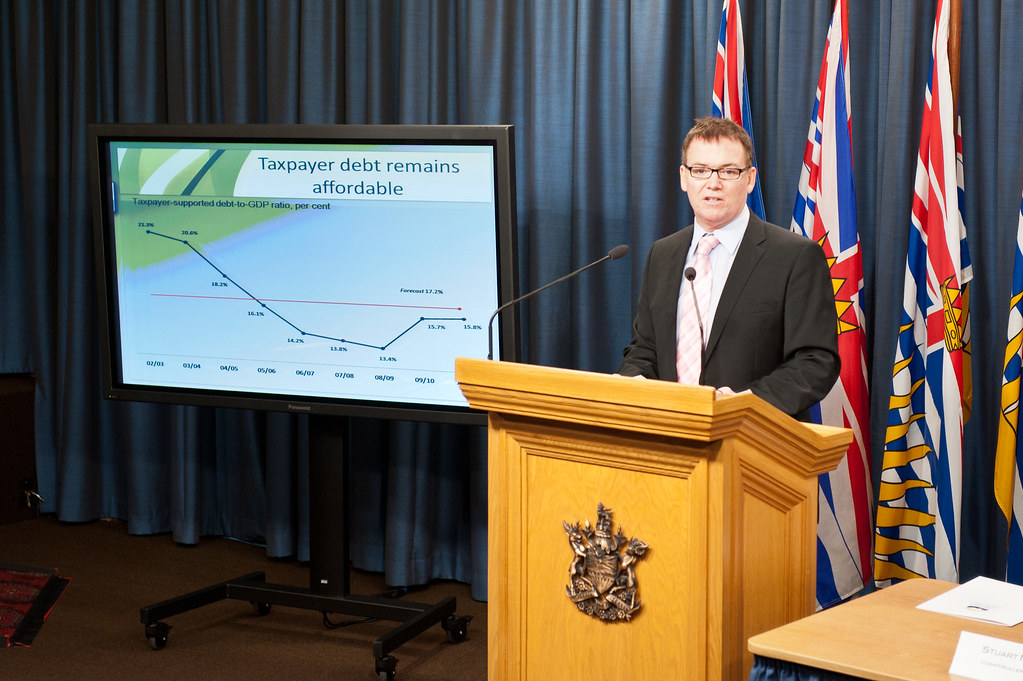
The forthcoming fiscal restructuring efforts in the state of California have encountered stiff resistance from various quarters. The proposed budget cuts have been met with widespread criticism, with many arguing that they will disproportionately affect the most vulnerable sections of society. According to a recent report, the cuts could lead to a reduction of over 10,000 jobs in the public sector, with a significant proportion of these being in the education and healthcare sectors.
The opposition to the proposed cuts has been led by the state’s largest public sector union, which has vowed to fight the measures through protests, lobbying, and potential litigation. The situation has sparked a heated debate about the role of government in providing essential services and the need for fiscal prudence. With the state’s finances under strain, the government must balance its books while ensuring that the most vulnerable members of society are protected.
The proposed cuts have also sparked concerns about the potential impact on the state’s economy, with some arguing that they could lead to a decline in economic activity and an increase in unemployment. As the debate rages on, it remains to be seen how the situation will unfold and what the ultimate outcome will be. The government must carefully consider the potential consequences of its actions and work towards finding a solution that balances the need for fiscal responsibility with the need to protect the most vulnerable members of society.
With over 30% of the state’s budget being allocated to education and healthcare, any cuts to these sectors could have far-reaching consequences. The situation is complex and multifaceted, with no easy solutions in sight. However, by engaging in open and honest dialogue, it may be possible to find a way forward that works for everyone. The forthcoming fiscal restructuring efforts will undoubtedly be closely watched by observers across the country, as they have significant implications for the state’s economy and the well-being of its citizens.
In conclusion, the situation in California serves as a microcosm for the broader challenges facing governments around the world, as they seek to balance their budgets while protecting the most vulnerable members of society. By examining the situation in California, we can gain a deeper understanding of the complex issues at play and the potential consequences of different courses of action. Ultimately, the situation highlights the need for careful consideration, nuanced decision-making, and a commitment to finding solutions that work for everyone.
The proposed cuts have also raised questions about the role of special interest groups in shaping public policy, with some arguing that they have too much influence over the decision-making process. As the situation continues to unfold, it will be important to monitor the role of these groups and their impact on the outcome. Furthermore, the situation has sparked concerns about the potential impact on the state’s credit rating, with some arguing that the proposed cuts could lead to a decline in the state’s creditworthiness.
This, in turn, could have significant implications for the state’s ability to borrow money and finance its operations. In light of these concerns, it is essential that the government carefully considers the potential consequences of its actions and works towards finding a solution that balances the need for fiscal responsibility with the need to protect the most vulnerable members of society. The situation in California is a complex and multifaceted one, with no easy solutions in sight. However, by engaging in open and honest dialogue and carefully considering the potential consequences of different courses of action, it may be possible to find a way forward that works for everyone.
The forthcoming fiscal restructuring efforts will undoubtedly be closely watched by observers across the country, as they have significant implications for the state’s economy and the well-being of its citizens. The government must prioritize transparency and accountability throughout the process, ensuring that all stakeholders are informed and engaged. By doing so, it may be possible to build trust and find a solution that works for everyone. The situation serves as a reminder of the importance of responsible fiscal management and the need for governments to balance their budgets while protecting the most vulnerable members of society.
As the situation continues to unfold, it will be essential to monitor the developments closely and consider the potential implications for the state’s economy and the well-being of its citizens. In the end, the outcome will depend on the ability of the government to find a solution that balances the need for fiscal responsibility with the need to protect the most vulnerable members of society. The situation is a challenging one, but by working together and engaging in open and honest dialogue, it may be possible to find a way forward that works for everyone.