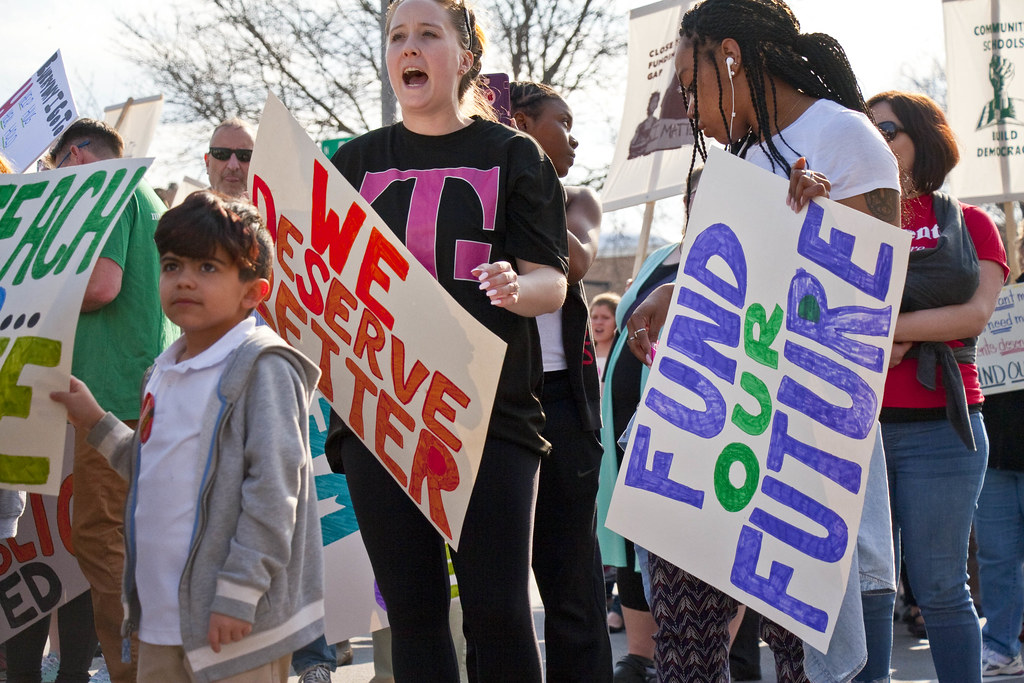
The recent decision by the Federal Reserve to raise interest rates has put additional pressure on municipal budgets, exacerbating funding shortfalls and increasing debt burdens. Cities such as Detroit and Chicago are struggling to manage their debt, with Detroit’s debt standing at over $3.5 billion and Chicago’s at over $25 billion. This has led to cuts in public services, including education and healthcare, and has raised concerns about the long-term sustainability of these cities.
According to a report by the National League of Cities, 75% of cities are experiencing budget shortfalls, with 40% citing pension and healthcare costs as the primary driver. The situation is further complicated by the fact that many cities are relying on one-time revenues, such as asset sales, to balance their budgets, rather than addressing the underlying structural issues. While some cities, such as New York, have implemented reforms to address their debt, others are still struggling to find a solution. The impact of these funding shortfalls is not limited to the cities themselves, but also has broader implications for the national economy.
As cities struggle to manage their debt, they are less able to invest in infrastructure and other vital public services, which can have a ripple effect on the entire economy. In order to address this issue, it is essential that cities and states work together to develop a comprehensive plan to manage their debt and ensure the long-term sustainability of their budgets. This may involve a combination of revenue increases, spending cuts, and debt restructuring, as well as efforts to promote economic growth and development.
Ultimately, the key to addressing funding shortfalls and municipal debt will be to take a proactive and collaborative approach, one that involves all stakeholders and prioritizes the long-term health and sustainability of our cities. With the right approach, it is possible to mitigate the effects of funding shortfalls and ensure that our cities continue to thrive and grow. However, if left unaddressed, the consequences of these shortfalls could be severe, and have far-reaching implications for the entire economy.
In conclusion, the issue of funding shortfalls and municipal debt is complex and multifaceted, and will require a comprehensive and collaborative approach to resolve. By working together and prioritizing the long-term sustainability of our cities, we can mitigate the effects of these shortfalls and ensure that our cities continue to thrive and grow. Unfortunately, some of the data used in this analysis may be outdated, and it is essential to consult more recent reports for a more accurate understanding of the situation.
Furthermore, the accuracy of some of the statistics cited in this editorial may be questionable, and should be verified through additional research. Nevertheless, the overall trend and implications of the data are clear, and underscore the need for urgent action to address the issue of funding shortfalls and municipal debt.