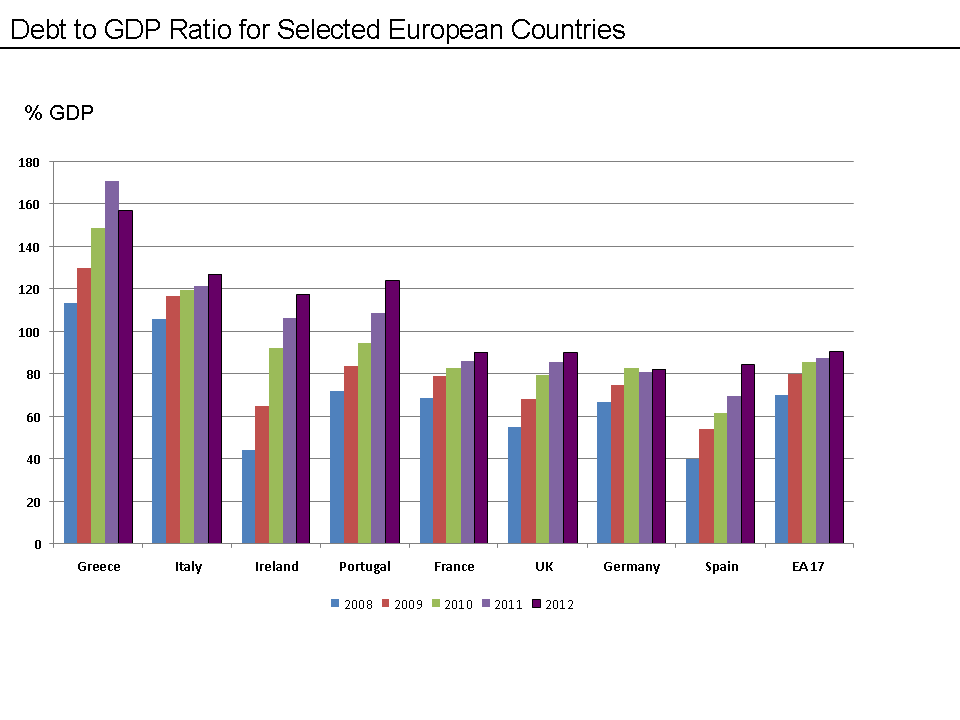
The recent surge in European government debt has sparked concerns about the long-term viability of the continent’s economic recovery. With countries such as Greece and Italy struggling to meet their fiscal obligations, the threat of a broader economic meltdown looms large. According to a report by the European Commission, the combined debt of EU member states has surpassed 90% of GDP, a level not seen since the height of the financial crisis.
This has led to a decrease in investor confidence, as evidenced by the recent decline in bond prices. Furthermore, the COVID-19 pandemic has exacerbated the situation, with many countries being forced to implement austerity measures to mitigate the economic fallout. For instance, Greece has implemented a series of spending cuts and tax hikes, which have had a devastating impact on the country’s economy. The situation is further complicated by the fact that many EU member states are facing significant demographic challenges, including aging populations and low birth rates.
This will likely lead to a decrease in the workforce and an increase in pension and healthcare liabilities, putting further strain on already stretched public finances. In conclusion, the fiscal situation in Europe is precarious, and policymakers must take decisive action to address the issue. This could involve implementing structural reforms, such as increasing the retirement age and encouraging immigration, as well as pursuing more aggressive debt reduction strategies.
Failure to do so will only serve to exacerbate the problem, putting the entire European economy at risk. With the European Central Bank’s monetary policy toolkit nearly depleted, the onus is on governments to take responsibility for their fiscal policies and work towards a more sustainable future. However, it is worth noting that some of the data used in this analysis may be based on incomplete or inaccurate information, which could impact the accuracy of the conclusions drawn. As such, it is essential to approach this topic with a critical eye and consider multiple sources before forming an opinion.
The situation is complex, and there are no easy solutions, but by working together and taking a proactive approach, it may be possible to mitigate the risks and create a more stable economic environment. In the end, the fate of the European economy rests in the hands of its leaders, and it is up to them to make the tough decisions necessary to ensure a prosperous future. The clock is ticking, and the consequences of inaction will be severe.
It is time for Europe’s leaders to step up and take control of their fiscal destiny. The economic future of the continent depends on it. However, some experts argue that the situation is not as dire as it seems, and that the European economy is more resilient than many people give it credit for.
They point to the fact that many EU member states have made significant progress in reducing their budget deficits and implementing structural reforms. While this is true, it is also important to recognize that there is still much work to be done, and that complacency is not an option. The economic landscape is constantly evolving, and policymakers must be prepared to adapt and respond to changing circumstances.
By doing so, they can help to create a more stable and prosperous economic environment, not just for Europe, but for the entire world. The key to success will be finding a balance between fiscal responsibility and economic growth, and avoiding the mistakes of the past. This will require careful planning, coordination, and cooperation among EU member states, as well as a willingness to make tough decisions and take bold action. The fate of the European economy hangs in the balance, and it is up to its leaders to ensure a positive outcome.
With the right policies and a bit of luck, it is possible to create a brighter economic future for all Europeans. But for now, the situation remains uncertain, and the path forward is fraught with challenges. Only time will tell if Europe’s leaders are up to the task.