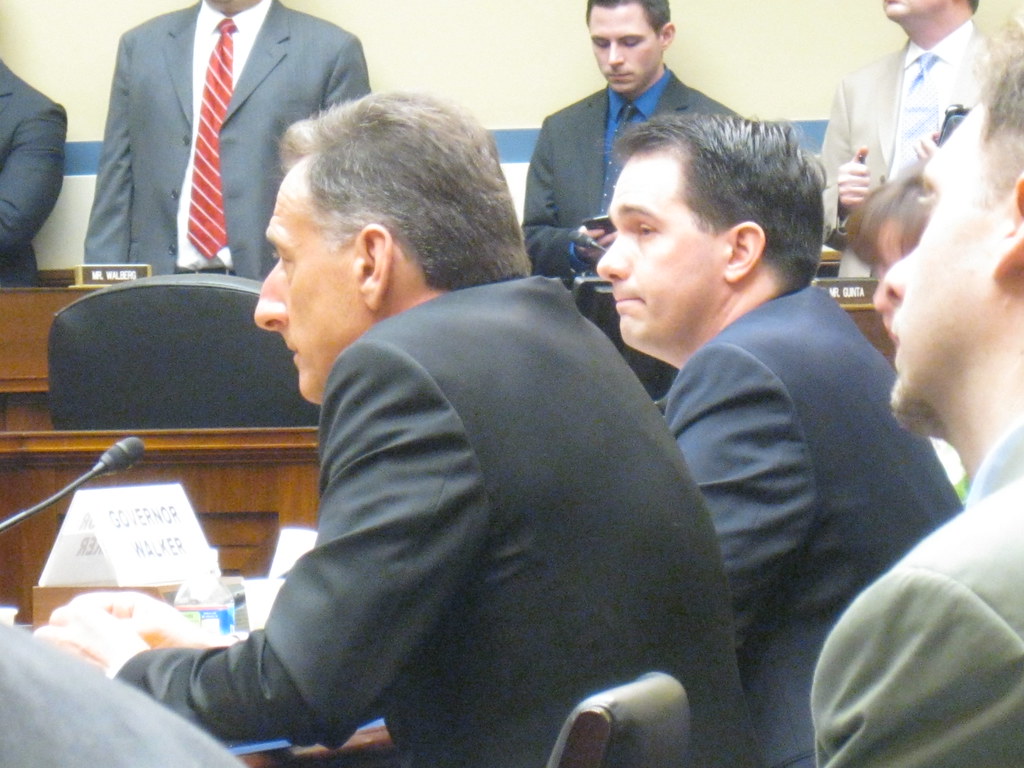
The Kansas tax cuts, implemented in 2012, were intended to stimulate economic growth by reducing tax rates for individuals and businesses. However, the results have been mixed, with some arguing that the cuts have led to a significant decline in state revenue, ultimately affecting public services and infrastructure. According to a report by the Kansas Center for Economic Growth, the state’s revenue has decreased by approximately 10% since the tax cuts took effect. This decrease has resulted in reduced funding for education, healthcare, and transportation.
On the other hand, some proponents of the tax cuts argue that they have led to an increase in job creation and economic activity, citing a 2% increase in employment rates in the state. Despite these claims, the overall impact of the tax cuts remains a topic of debate. With a projected budget deficit of $345 million for the upcoming fiscal year, Kansas lawmakers will need to reassess the state’s fiscal policies to ensure long-term sustainability. The situation in Kansas serves as a case study for other states considering similar tax cuts, highlighting the importance of carefully evaluating the potential consequences of such policies.
As the state continues to grapple with the aftermath of the tax cuts, it is essential to consider the perspectives of both supporters and critics to develop a comprehensive understanding of the issue. By examining the specific details of the Kansas tax cuts, including the reduction in tax rates and the resulting revenue decline, policymakers can gain valuable insights into the potential effects of similar policies. Furthermore, the experience of Kansas can inform the development of more effective fiscal strategies, taking into account the complex interplay between tax rates, economic growth, and public services. The fiscal repercussions of the Kansas tax cuts will likely continue to be felt for years to come, making it crucial for lawmakers to engage in a nuanced and informed discussion about the state’s economic future.
With the fate of public services and infrastructure hanging in the balance, the need for a thoughtful and data-driven approach to fiscal policy has never been more pressing. Ultimately, the story of Kansas serves as a reminder that tax cuts are not a one-size-fits-all solution and that careful consideration of the potential consequences is essential for ensuring the long-term health of a state’s economy. The situation in Kansas is a complex one, with multiple factors at play, and it will be important for policymakers to continue monitoring the situation and adjusting their strategies as needed. By doing so, they can work towards creating a more sustainable and equitable fiscal framework for the state.
The experience of Kansas can also provide valuable lessons for other states, highlighting the importance of careful planning and consideration in the development of fiscal policies. As the debate over tax cuts and their effects continues, it is essential to prioritize a nuanced and informed discussion, taking into account the unique circumstances and challenges faced by each state. The fiscal repercussions of the Kansas tax cuts will undoubtedly be a topic of discussion for years to come, and it is crucial that lawmakers and policymakers approach the issue with a thoughtful and data-driven mindset. The story of Kansas serves as a reminder that fiscal policy is a complex and multifaceted issue, requiring careful consideration and planning to ensure the long-term health and sustainability of a state’s economy.
The need for a comprehensive and nuanced approach to fiscal policy has never been more pressing, and the experience of Kansas can provide valuable insights and lessons for policymakers and lawmakers seeking to create a more sustainable and equitable fiscal framework for their states. The situation in Kansas is a complex and multifaceted one, and it will be important for policymakers to continue monitoring the situation and adjusting their strategies as needed. By doing so, they can work towards creating a more sustainable and equitable fiscal framework for the state, one that takes into account the unique circumstances and challenges faced by Kansas and its citizens.
The fiscal repercussions of the Kansas tax cuts will likely continue to be felt for years to come, making it crucial for lawmakers to engage in a thoughtful and informed discussion about the state’s economic future. With the fate of public services and infrastructure hanging in the balance, the need for a thoughtful and data-driven approach to fiscal policy has never been more pressing. The experience of Kansas can inform the development of more effective fiscal strategies, taking into account the complex interplay between tax rates, economic growth, and public services.
The situation in Kansas serves as a case study for other states considering similar tax cuts, highlighting the importance of carefully evaluating the potential consequences of such policies. The story of Kansas is a complex one, with multiple factors at play, and it will be important for policymakers to continue monitoring the situation and adjusting their strategies as needed. By doing so, they can work towards creating a more sustainable and equitable fiscal framework for the state, one that prioritizes the needs and well-being of its citizens.
The fiscal repercussions of the Kansas tax cuts are a reminder that tax cuts are not a one-size-fits-all solution and that careful consideration of the potential consequences is essential for ensuring the long-term health of a state’s economy. The need for a comprehensive and nuanced approach to fiscal policy has never been more pressing, and the experience of Kansas can provide valuable insights and lessons for policymakers and lawmakers seeking to create a more sustainable and equitable fiscal framework for their states. The situation in Kansas is a complex and multifaceted one, and it will be important for policymakers to continue monitoring the situation and adjusting their strategies as needed. The fiscal repercussions of the Kansas tax cuts will likely continue to be felt for years to come, making it crucial for lawmakers to engage in a thoughtful and informed discussion about the state’s economic future.
The experience of Kansas serves as a reminder that fiscal policy is a complex and multifaceted issue, requiring careful consideration and planning to ensure the long-term health and sustainability of a state’s economy. The story of Kansas is a complex one, with multiple factors at play, and it will be important for policymakers to continue monitoring the situation and adjusting their strategies as needed. By doing so, they can work towards creating a more sustainable and equitable fiscal framework for the state, one that prioritizes the needs and well-being of its citizens. The fiscal repercussions of the Kansas tax cuts are a reminder that tax cuts are not a one-size-fits-all solution and that careful consideration of the potential consequences is essential for ensuring the long-term health of a state’s economy.
The situation in Kansas serves as a case study for other states considering similar tax cuts, highlighting the importance of carefully evaluating the potential consequences of such policies. The need for a comprehensive and nuanced approach to fiscal policy has never been more pressing, and the experience of Kansas can provide valuable insights and lessons for policymakers and lawmakers seeking to create a more sustainable and equitable fiscal framework for their states.