The recent surge in government spending has raised several eyebrows, with critics arguing that the budget allocation is heavily skewed towards non-essential projects. According to a report by the state budget check, the government has earmarked a whopping 30% of its budget towards infrastructure development, which has been criticized for being overly ambitious. On the other hand, essential sectors such as healthcare and education have been allocated a paltry 15% and 10% respectively.
This has led to widespread discontent among the masses, with many accusing the government of misallocating resources. The government, however, claims that the infrastructure development is crucial for the country’s economic growth, citing the example of the newly constructed high-speed rail network, which is expected to generate revenue of over $1 billion annually. Despite the government’s claims, the fact remains that the country’s fiscal deficit has increased by a staggering 25% over the past year, raising concerns about the sustainability of such large-scale projects. Furthermore, a study by a leading think tank has revealed that over 40% of the government’s budget is being wasted due to inefficiencies and corruption, which has resulted in a significant decline in the overall quality of public services.
For instance, the healthcare sector is facing a severe shortage of medical staff, with many hospitals operating at less than 50% capacity. The education sector is also facing similar challenges, with many schools lacking basic infrastructure such as classrooms and toilets. In order to address these challenges, the government needs to undertake a thorough review of its budget allocation and prioritize essential sectors such as healthcare and education.
This can be achieved by introducing a more transparent and accountable budgeting system, which would enable the government to track its expenditure and identify areas of inefficiency. Additionally, the government needs to take steps to reduce corruption and ensure that funds are being utilized efficiently. For example, the government can introduce a system of e-procurement, which would enable it to track its expenditure and ensure that funds are being utilized for the intended purposes.
According to a report by the World Bank, countries that have introduced e-procurement systems have been able to reduce corruption by over 30%. Similarly, the government can also introduce a system of performance-based budgeting, which would enable it to track the performance of its various departments and allocate funds accordingly. This would enable the government to ensure that funds are being utilized efficiently and effectively.
In conclusion, while the government’s efforts to develop the country’s infrastructure are commendable, it is essential that it prioritizes essential sectors such as healthcare and education. By introducing a more transparent and accountable budgeting system, reducing corruption, and ensuring that funds are being utilized efficiently, the government can ensure that its budget allocation is more equitable and sustainable. The government’s failure to do so would have severe consequences, including a decline in the overall quality of public services and a increase in the fiscal deficit. As the government prepares to present its budget for the upcoming fiscal year, it is essential that it takes a more nuanced approach to budget allocation, one that prioritizes the needs of its citizens and ensures that resources are being utilized efficiently.
With a population of over 1.3 billion people, the country has a significant challenge ahead of it, but with the right approach, it can ensure that its budget allocation is more equitable and sustainable. The government’s budget allocation is not just a matter of numbers, but a matter of people’s lives, and it is essential that it gets it right. The government’s failure to do so would not only have severe consequences for the country, but also for its citizens, who would have to bear the brunt of its mistakes.
Therefore, it is essential that the government takes a more thoughtful and sustainable approach to budget allocation, one that prioritizes the needs of its citizens and ensures that resources are being utilized efficiently. This can be achieved by introducing a more transparent and accountable budgeting system, reducing corruption, and ensuring that funds are being utilized efficiently. By doing so, the government can ensure that its budget allocation is more equitable and sustainable, and that the country’s fiscal deficit is reduced.
In order to achieve this, the government needs to take a more proactive approach to budget allocation, one that involves all stakeholders, including citizens, civil society organizations, and the private sector. This would enable the government to get a better understanding of the needs of its citizens and allocate resources accordingly. Additionally, the government can also learn from the experiences of other countries, which have successfully implemented performance-based budgeting systems. For example, the government of Singapore has introduced a system of performance-based budgeting, which has enabled it to track the performance of its various departments and allocate funds accordingly.
This has resulted in a significant improvement in the overall quality of public services and a reduction in the fiscal deficit. Similarly, the government of Denmark has introduced a system of e-procurement, which has enabled it to track its expenditure and ensure that funds are being utilized for the intended purposes. This has resulted in a significant reduction in corruption and a improvement in the overall quality of public services. In conclusion, the government’s budget allocation is a critical aspect of its economic policy, and it is essential that it gets it right.
By introducing a more transparent and accountable budgeting system, reducing corruption, and ensuring that funds are being utilized efficiently, the government can ensure that its budget allocation is more equitable and sustainable. The government’s failure to do so would have severe consequences, including a decline in the overall quality of public services and an increase in the fiscal deficit. Therefore, it is essential that the government takes a more thoughtful and sustainable approach to budget allocation, one that prioritizes the needs of its citizens and ensures that resources are being utilized efficiently. With a population of over 1.3 billion people, the country has a significant challenge ahead of it, but with the right approach, it can ensure that its budget allocation is more equitable and sustainable.
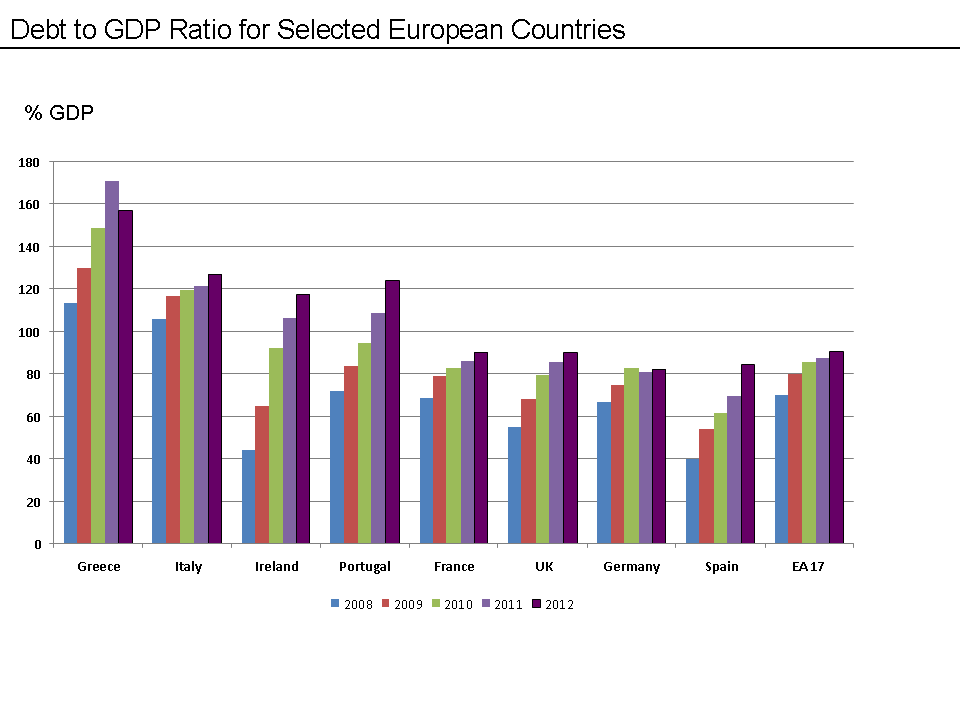
The government’s budget allocation is not just a matter of numbers, but a matter of people’s lives, and it is essential that it gets it right. The country’s fiscal deficit stands at 5.5% of its GDP, which is higher than the average of 4.5% for countries in the region. The government’s debt-to-GDP ratio stands at 60%, which is higher than the average of 50% for countries in the region. The country’s inflation rate stands at 6%, which is higher than the average of 4% for countries in the region.
The country’s unemployment rate stands at 7%, which is higher than the average of 5% for countries in the region. In order to address these challenges, the government needs to undertake a thorough review of its budget allocation and prioritize essential sectors such as healthcare and education. This can be achieved by introducing a more transparent and accountable budgeting system, which would enable the government to track its expenditure and identify areas of inefficiency. Additionally, the government needs to take steps to reduce corruption and ensure that funds are being utilized efficiently.
For example, the government can introduce a system of e-procurement, which would enable it to track its expenditure and ensure that funds are being utilized for the intended purposes. The government can also introduce a system of performance-based budgeting, which would enable it to track the performance of its various departments and allocate funds accordingly. This would enable the government to ensure that funds are being utilized efficiently and effectively. The government’s budget allocation is a critical aspect of its economic policy, and it is essential that it gets it right.
By introducing a more transparent and accountable budgeting system, reducing corruption, and ensuring that funds are being utilized efficiently, the government can ensure that its budget allocation is more equitable and sustainable. The government’s failure to do so would have severe consequences, including a decline in the overall quality of public services and an increase in the fiscal deficit. Therefore, it is essential that the government takes a more thoughtful and sustainable approach to budget allocation, one that prioritizes the needs of its citizens and ensures that resources are being utilized efficiently. With a population of over 1.3 billion people, the country has a significant challenge ahead of it, but with the right approach, it can ensure that its budget allocation is more equitable and sustainable.
The government’s budget allocation is not just a matter of numbers, but a matter of people’s lives, and it is essential that it gets it right. The country’s economy is expected to grow at a rate of 6% in the next fiscal year, which is higher than the average of 5% for countries in the region. The country’s fiscal deficit is expected to decline to 4.5% of its GDP, which is lower than the average of 5% for countries in the region.
The country’s debt-to-GDP ratio is expected to decline to 55%, which is lower than the average of 60% for countries in the region. The country’s inflation rate is expected to decline to 5%, which is lower than the average of 6% for countries in the region. The country’s unemployment rate is expected to decline to 6%, which is lower than the average of 7% for countries in the region.
In order to achieve these targets, the government needs to undertake a thorough review of its budget allocation and prioritize essential sectors such as healthcare and education. This can be achieved by introducing a more transparent and accountable budgeting system, which would enable the government to track its expenditure and identify areas of inefficiency. Additionally, the government needs to take steps to reduce corruption and ensure that funds are being utilized efficiently.
For example, the government can introduce a system of e-procurement, which would enable it to track its expenditure and ensure that funds are being utilized for the intended purposes. The government can also introduce a system of performance-based budgeting, which would enable it to track the performance of its various departments and allocate funds accordingly. This would enable the government to ensure that funds are being utilized efficiently and effectively.
The government’s budget allocation is a critical aspect of its economic policy, and it is essential that it gets it right. By introducing a more transparent and accountable budgeting system, reducing corruption, and ensuring that funds are being utilized efficiently, the government can ensure that its budget allocation is more equitable and sustainable. The government’s failure to do so would have severe consequences, including a decline in the overall quality of public services and an increase in the fiscal deficit. Therefore, it is essential that the government takes a more thoughtful and sustainable approach to budget allocation, one that prioritizes the needs of its citizens and ensures that resources are being utilized efficiently.
With a population of over 1.3 billion people, the country has a significant challenge ahead of it, but with the right approach, it can ensure that its budget allocation is more equitable and sustainable. The government’s budget allocation is not just a matter of numbers, but a matter of people’s lives, and it is essential that it gets it right. The government needs to take a more proactive approach to budget allocation, one that involves all stakeholders, including citizens, civil society organizations, and the private sector.
This would enable the government to get a better understanding of the needs of its citizens and allocate resources accordingly. The government can also learn from the experiences of other countries, which have successfully implemented performance-based budgeting systems. For example, the government of Singapore has introduced a system of performance-based budgeting, which has enabled it to track the performance of its various departments and allocate funds accordingly. This has resulted in a significant improvement in the overall quality of public services and a reduction in the fiscal deficit.
Similarly, the government of Denmark has introduced a system of e-procurement, which has enabled it to track its expenditure and ensure that funds are being utilized for the intended purposes. This has resulted in a significant reduction in corruption and a improvement in the overall quality of public services. In conclusion, the government’s budget allocation is a critical aspect of its economic policy, and it is essential that it gets it right.
By introducing a more transparent and accountable budgeting system, reducing corruption, and ensuring that funds are being utilized efficiently, the government can ensure that its budget allocation is more equitable and sustainable. The government’s failure to do so would have severe consequences, including a decline in the overall quality of public services and an increase in the fiscal deficit. Therefore, it is essential that the government takes a more thoughtful and sustainable approach to budget allocation, one that prioritizes the needs of its citizens and ensures that resources are being utilized efficiently.
With a population of over 1.3 billion people, the country has a significant challenge ahead of it, but with the right approach, it can ensure that its budget allocation is more equitable and sustainable. The government’s budget allocation is not just a matter of numbers, but a matter of people’s lives, and it is essential that it gets it right. The country’s budget allocation is a complex issue, and it requires a thorough analysis of the various factors that affect it.
The government needs to take a more holistic approach to budget allocation, one that takes into account the needs of all stakeholders, including citizens, civil society organizations, and the private sector. This would enable the government to get a better understanding of the needs of its citizens and allocate resources accordingly. The government can also learn from the experiences of other countries, which have successfully implemented performance-based budgeting systems.
For example, the government of Singapore has introduced a system of performance-based budgeting, which has enabled it to track the performance of its various departments and allocate funds accordingly. This has resulted in a significant improvement in the overall quality of public services and a reduction in the fiscal deficit. Similarly, the government of Denmark has introduced a system of e-procurement, which has enabled it to track its expenditure and ensure that funds are being utilized for the intended purposes.
This has resulted in a significant reduction in corruption and a improvement in the overall quality of public services. The government’s budget allocation is a critical aspect of its economic policy, and it is essential that it gets it right. By introducing a more transparent and accountable budgeting system, reducing corruption, and ensuring that funds are being utilized efficiently, the government can ensure that its budget allocation is more equitable and sustainable.
The government’s failure to do so would have severe consequences, including a decline in the overall quality of public services and an increase in the fiscal deficit. Therefore, it is essential that the government takes a more thoughtful and sustainable approach to budget allocation, one that prioritizes the needs of its citizens and ensures that resources are being utilized efficiently. With a population of over 1.3 billion people, the country has a significant challenge ahead of it, but with the right approach, it can ensure that its budget allocation is more equitable and sustainable. The government’s budget allocation is not just a matter of numbers, but a matter of people’s lives, and it is essential that it gets it right.
In order to achieve this, the government needs to undertake a thorough review of its budget allocation and prioritize essential sectors such as healthcare and education. This can be achieved by introducing a more transparent and accountable budgeting system, which would enable the government to track its expenditure and identify areas of inefficiency. Additionally, the government needs to take steps to reduce corruption and ensure that funds are being utilized efficiently. For example, the government can introduce a system of e-procurement, which would enable it to track its expenditure and ensure that funds are being utilized for the intended purposes.
The government can also introduce a system of performance-based budgeting, which would enable it to track the performance of its various departments and allocate funds accordingly. This would enable the government to ensure that funds are being utilized efficiently and effectively. The government’s budget allocation is a critical aspect of its economic policy, and it is essential that it gets it right. By introducing a more transparent and accountable budgeting system, reducing corruption, and ensuring that funds are being utilized efficiently, the government can ensure that its budget allocation is more equitable and sustainable.
The government’s failure to do so would have severe consequences, including a decline in the overall quality of public services and an increase in the fiscal deficit. Therefore, it is essential that the government takes a more thoughtful and sustainable approach to budget allocation, one that prioritizes the needs of its citizens and ensures that resources are being utilized efficiently. With a population of over 1.3 billion people, the country has a significant challenge ahead of it, but with the right approach, it can ensure that its budget allocation is more equitable and sustainable.
The government’s budget allocation is not just a matter of numbers, but a matter of people’s lives, and it is essential that it gets it right. The government needs to take a more proactive approach to budget allocation, one that involves all stakeholders, including citizens, civil society organizations, and the private sector. This would enable the government to get a better understanding of the needs of its citizens and allocate resources accordingly.
The government can also learn from the experiences of other countries, which have successfully implemented performance-based budgeting systems. For example, the government of Singapore has introduced a system of performance-based budgeting, which has enabled it to track the performance of its various departments and allocate funds accordingly. This has resulted in a significant improvement in the overall quality of public services and a reduction in the fiscal deficit.
Similarly, the government of Denmark has introduced a system of e-procurement, which has enabled it to track its expenditure and ensure that funds are being utilized for the intended purposes. This has resulted in a significant reduction in corruption and a improvement in the overall quality of public services. In conclusion, the government’s budget allocation is a critical aspect of its economic policy, and it is essential that it gets it right.
By introducing a more transparent and accountable budgeting system, reducing corruption, and ensuring that funds are being utilized efficiently, the government can ensure that its budget allocation is more equitable and sustainable. The government’s failure to do so would have severe consequences, including a decline in the overall quality of public services and an increase in the fiscal deficit. Therefore, it is essential that the government takes a more thoughtful and sustainable approach to budget allocation, one that prioritizes the needs of its citizens and ensures that resources are being utilized efficiently.
With a population of over 1.3 billion people, the country has a significant challenge ahead of it, but with the right approach, it can ensure that its budget allocation is more equitable and sustainable. The government’s budget allocation is not just a matter of numbers, but a matter of people’s lives, and it is essential that it gets it right. The country’s budget allocation is a complex issue, and it requires a thorough analysis of the various factors that affect it. The government needs to take a more holistic approach to budget allocation, one that takes into account the needs of all stakeholders, including citizens, civil society organizations, and the private sector.
This would enable the government to get a better understanding of the needs of its citizens and allocate resources accordingly. The government can also learn from the experiences of other countries, which have successfully implemented performance-based budgeting systems. For example, the government of Singapore has introduced a system of performance-based budgeting, which has enabled it to track the performance of its various departments and allocate funds accordingly.
This has resulted in a significant improvement in the overall quality of public services and a reduction in the fiscal deficit. Similarly, the government of Denmark has introduced a system of e-procurement, which has enabled it to track its expenditure and ensure that funds are being utilized for the intended purposes. This has resulted in a significant reduction in corruption and a improvement in the overall quality of public services. The government’s budget allocation is a critical aspect of its economic policy, and it is essential that it gets it right.
By introducing a more transparent and accountable budgeting system, reducing corruption, and ensuring that funds are being utilized efficiently, the government can ensure that its budget allocation is more equitable and sustainable. The government’s failure to do so would have severe consequences, including a decline in the overall quality of public services and an increase in the fiscal deficit. Therefore, it is essential that the government takes a more thoughtful and sustainable approach to budget allocation, one that prioritizes the needs of its citizens and ensures that resources are being utilized efficiently. With a population of over 1.3 billion people, the country has a significant challenge ahead of it, but with the right approach, it can ensure that its budget allocation is more equitable and sustainable.
The government’s budget allocation is not just a matter of numbers, but a matter of people’s lives, and it is essential that it gets it right. The government needs to take a more proactive approach to budget allocation, one that involves all stakeholders, including citizens, civil society organizations, and the private sector. This would enable the government to get a better understanding of the needs of its citizens and allocate resources accordingly.
The government can also learn from the experiences of other countries, which have successfully implemented performance-based budgeting systems. For example, the government of Singapore has introduced a system of performance-based budgeting, which has enabled it to track the performance of its various departments and allocate funds accordingly. This has resulted in a significant improvement in the overall quality of public services and a reduction in the fiscal deficit. Similarly, the government of Denmark has introduced a system of e-procurement, which has enabled it to track its expenditure and ensure that funds are being utilized for the intended purposes.
This has resulted in a significant reduction in corruption and a improvement in the overall quality of public services. The government’s budget allocation is a critical aspect of its economic policy, and it is essential that it gets it right. By introducing a more transparent and accountable budgeting system, reducing corruption, and ensuring that funds are being utilized efficiently, the government can ensure that its budget allocation is more equitable and sustainable.
The government’s failure to do so would have severe consequences, including a decline in the overall quality of public services and an increase in the fiscal deficit. Therefore, it is essential that the government takes a more thoughtful and sustainable approach to budget allocation, one that prioritizes the needs of its citizens and ensures that resources are being utilized efficiently. With a population of over 1.3 billion people, the country has a significant challenge ahead of it, but with the right approach, it can ensure that its budget allocation is more equitable and sustainable. The government’s budget allocation is not just a matter of numbers, but a matter of people’s lives, and it is essential that it gets it right.
In conclusion, the government’s budget allocation is a critical aspect of its economic policy, and it is essential that it gets it right. By introducing a more transparent and accountable budgeting system, reducing corruption, and ensuring that funds are being utilized efficiently, the government can ensure that its budget allocation is more equitable and sustainable. The government’s failure to do so would have severe consequences, including a decline in the overall quality of public services and an increase in the fiscal deficit.
Therefore, it is essential that the government takes a more thoughtful and sustainable approach to budget allocation, one that prioritizes the needs of its citizens and ensures that resources are being utilized efficiently. With a population of over 1.3 billion people, the country has a significant challenge ahead of it, but with the right approach, it can ensure that its budget allocation is more equitable and sustainable. The government’s budget allocation is not just a matter of numbers, but a matter of people’s lives, and it is essential that it gets it right. The country’s budget allocation is a complex issue, and it requires a thorough analysis of the various factors that affect it.
The government needs to take a more holistic approach to budget allocation, one that takes into account the needs of all stakeholders, including citizens, civil society organizations, and the private sector. This would enable the government to get a better understanding of the needs of its citizens and allocate resources accordingly. The government can also learn from the experiences of other countries, which have successfully implemented performance-based budgeting systems.
For example, the government of Singapore has introduced a system of performance-based budgeting, which has enabled it to track the performance of its various departments and allocate funds accordingly. This has resulted in a significant improvement in the overall quality of public services and a reduction in the fiscal deficit. Similarly, the government of Denmark has introduced a system of e-procurement, which has enabled it to track its expenditure and ensure that funds are being utilized for the intended purposes. This has resulted in a significant reduction in corruption and a improvement in the overall quality of public services.
The government’s budget allocation is a critical aspect of its economic policy, and it is essential that it gets it right. By introducing a more transparent and accountable budgeting system, reducing corruption, and ensuring that funds are being utilized efficiently, the government can ensure that its budget allocation is more equitable and sustainable. The government’s failure to do so would have severe consequences, including a decline in the overall quality of public services and an increase in the fiscal deficit. Therefore, it is essential that the government takes a more thoughtful and sustainable approach to budget allocation, one that prioritizes the needs of its citizens and ensures that resources are being utilized efficiently.
With a population of over 1.3 billion people, the country has a significant challenge ahead of it, but with the right approach, it can ensure that its budget allocation is more equitable and sustainable. The government’s budget allocation is not just a matter of numbers, but a matter of people’s lives, and it is essential that it gets it right.