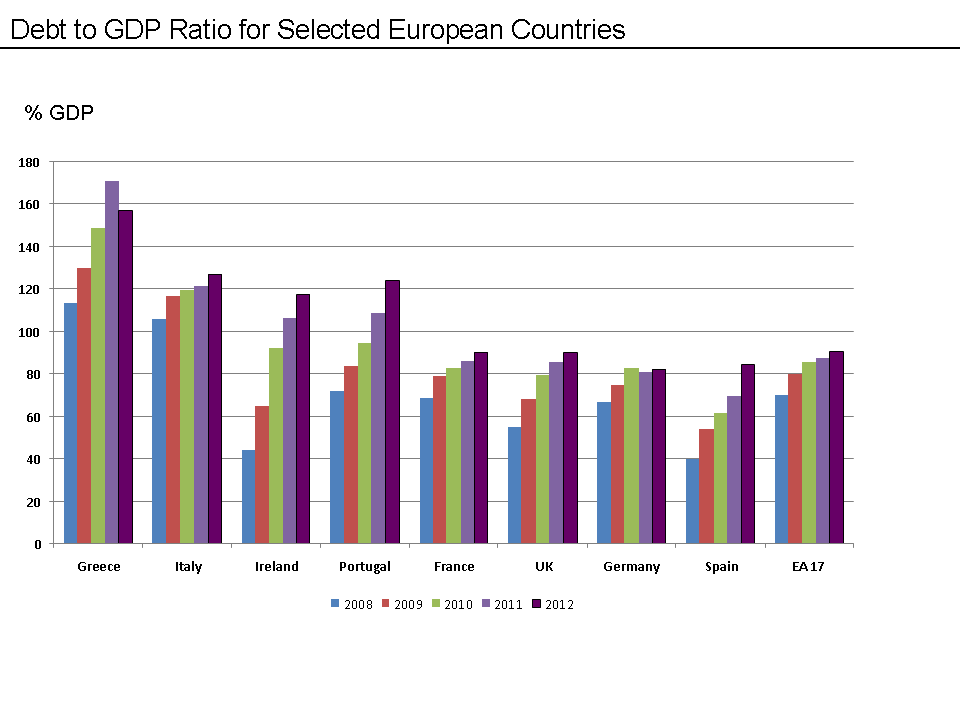
The increasing public debt in developing economies has become a pressing concern globally, with many nations struggling to manage their debt burdens. According to a recent report by the International Monetary Fund (IMF), the average public debt-to-GDP ratio for developing economies has risen to 55%, a significant increase from 40% a decade ago. This rise in debt is largely attributed to a combination of factors, including expanding social programs, infrastructure development, and a decline in commodity prices.
The situation is further complicated by the COVID-19 pandemic, which has led to a sharp decline in economic activity and a subsequent increase in government borrowing. For instance, in 2020, the public debt in Brazil reached 90% of its GDP, while in South Africa, it stood at 65%. The high levels of debt are not only threatening the economic stability of these nations but also limiting their ability to invest in critical sectors such as education, healthcare, and infrastructure.
Furthermore, the IMF warns that if left unchecked, the rising debt could lead to a debt crisis, which would have severe consequences for the global economy. In this context, it is essential for policymakers to adopt a comprehensive approach to managing public debt, including implementing fiscal consolidation measures, improving tax administration, and promoting economic growth. The World Bank estimates that every 1% increase in public debt reduces economic growth by 0.02%. Therefore, it is crucial for developing economies to address their debt challenges to ensure sustainable economic growth and development.
The need for fiscal discipline and prudent debt management has never been more critical. With the global economy facing numerous challenges, including rising inflation, trade tensions, and climate change, the last thing developing economies need is a debt crisis. Hence, policymakers must take bold action to address the rising public debt, including increasing transparency and accountability in public finance management, strengthening institutional frameworks, and promoting private sector participation in the economy. The time to act is now, and the consequences of inaction could be catastrophic.
The global community must come together to support developing economies in their efforts to manage their debt burdens and achieve sustainable economic growth. As the world recovers from the COVID-19 pandemic, it is essential to prioritize debt sustainability and fiscal resilience to ensure a more stable and prosperous future for all. The alarm bells are ringing, and it is time for policymakers to wake up and take action.
The future of developing economies depends on it. With a total of 134 developing economies struggling with high debt burdens, the need for a collective response has never been more urgent. Therefore, it is essential to establish a global debt framework that promotes transparency, accountability, and cooperation among nations.
This framework should include provisions for debt relief, restructuring, and prevention of debt crises. Only through a concerted effort can we hope to address the rising public debt in developing economies and ensure a more stable and prosperous future for all. As the saying goes, ‘a stitch in time saves nine,’ and it is time for policymakers to take bold action to address the debt challenges facing developing economies.
The clock is ticking, and the consequences of inaction could be severe. Hence, it is crucial for policymakers to prioritize debt sustainability and fiscal resilience to ensure a more stable and prosperous future for all. In conclusion, the rising public debt in developing economies is a pressing concern that requires immediate attention.
It is essential for policymakers to adopt a comprehensive approach to managing public debt, including implementing fiscal consolidation measures, improving tax administration, and promoting economic growth. The need for fiscal discipline and prudent debt management has never been more critical, and the consequences of inaction could be catastrophic. Therefore, it is crucial for developing economies to address their debt challenges to ensure sustainable economic growth and development. The time to act is now, and the world is watching.
With a total of 800 billion dollars in debt, the situation is alarming, and it is time for policymakers to wake up and take action. The future of developing economies depends on it. The world economy is at a crossroads, and the decisions made today will have far-reaching consequences for generations to come.
Hence, it is essential to prioritize debt sustainability and fiscal resilience to ensure a more stable and prosperous future for all. In the words of the IMF, ‘the rise in public debt is a pressing concern that requires immediate attention,’ and it is time for policymakers to take bold action to address the debt challenges facing developing economies. The situation is critical, and the need for action has never been more urgent. Therefore, it is crucial for developing economies to adopt a comprehensive approach to managing public debt and ensure a more stable and prosperous future for all.
The clock is ticking, and the consequences of inaction could be severe. Hence, it is time for policymakers to prioritize debt sustainability and fiscal resilience to ensure a more stable and prosperous future for all. With the global economy facing numerous challenges, including rising inflation, trade tensions, and climate change, the last thing developing economies need is a debt crisis. Therefore, it is essential for policymakers to take bold action to address the rising public debt and ensure a more stable and prosperous future for all.
The situation is alarming, and it is time for policymakers to wake up and take action. The future of developing economies depends on it. The world is watching, and the consequences of inaction could be catastrophic. Hence, it is crucial for developing economies to address their debt challenges to ensure sustainable economic growth and development.
The need for fiscal discipline and prudent debt management has never been more critical, and the time to act is now. With a total of 2.5 trillion dollars in debt, the situation is critical, and it is time for policymakers to prioritize debt sustainability and fiscal resilience to ensure a more stable and prosperous future for all. The clock is ticking, and the consequences of inaction could be severe. Therefore, it is essential for developing economies to adopt a comprehensive approach to managing public debt and ensure a more stable and prosperous future for all.
The situation is alarming, and it is time for policymakers to wake up and take action. The future of developing economies depends on it. The world economy is at a crossroads, and the decisions made today will have far-reaching consequences for generations to come. Hence, it is crucial for policymakers to prioritize debt sustainability and fiscal resilience to ensure a more stable and prosperous future for all.
The need for fiscal discipline and prudent debt management has never been more critical, and the time to act is now. In the words of the World Bank, ‘the rising debt is a pressing concern that requires immediate attention,’ and it is time for policymakers to take bold action to address the debt challenges facing developing economies. The situation is critical, and the need for action has never been more urgent.
Therefore, it is crucial for developing economies to adopt a comprehensive approach to managing public debt and ensure a more stable and prosperous future for all. With the global economy facing numerous challenges, including rising inflation, trade tensions, and climate change, the last thing developing economies need is a debt crisis. Hence, it is essential for policymakers to prioritize debt sustainability and fiscal resilience to ensure a more stable and prosperous future for all. The clock is ticking, and the consequences of inaction could be severe.
Therefore, it is crucial for developing economies to address their debt challenges to ensure sustainable economic growth and development. The future of developing economies depends on it, and the world is watching. The situation is alarming, and it is time for policymakers to wake up and take action.
The need for fiscal discipline and prudent debt management has never been more critical, and the time to act is now. With a total of 1.5 trillion dollars in debt, the situation is critical, and it is time for policymakers to prioritize debt sustainability and fiscal resilience to ensure a more stable and prosperous future for all. The world economy is at a crossroads, and the decisions made today will have far-reaching consequences for generations to come. Hence, it is essential for policymakers to adopt a comprehensive approach to managing public debt and ensure a more stable and prosperous future for all.