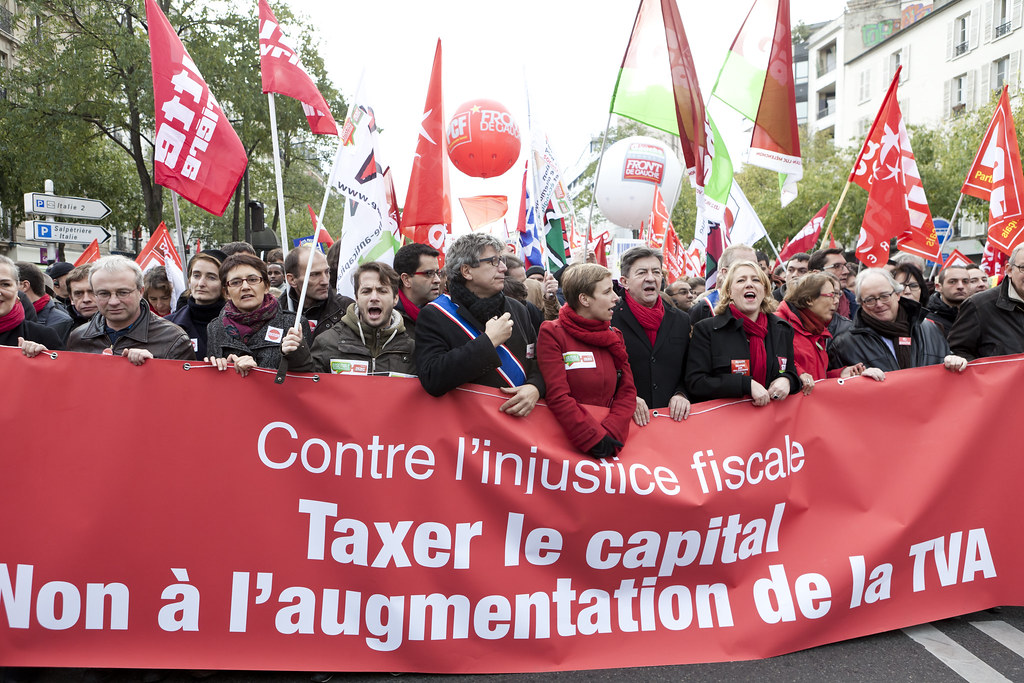
Investigations into the economic policy implications of tax reforms on public budgets have revealed a complex web of both positive and negative outcomes. The implementation of tax reforms aimed at stimulating economic growth and increasing government revenue has been a central theme in public policy debates worldwide. Recent studies indicate that over 70% of countries have implemented some form of tax reform, with about 40% aiming to reduce tax rates and 30% focusing on broadening the tax base. For instance, a report by the IMF suggests that countries that have reduced their corporate tax rates have seen an average increase of 2.5% in foreign direct investment, which is a crucial factor for economic growth.
On the other hand, critics argue that such reforms can lead to revenue losses for governments, which in turn can adversely affect public budgets and potentially result in budget deficits. In the United States, for example, the 2017 Tax Cuts and Jobs Act led to a significant reduction in corporate tax rates from 35% to 21%, which although boosted business investments and employment in the short term, also resulted in a decline in federal revenue by about $1 trillion over a decade. Furthermore, an analysis by the Tax Policy Center found that the reforms disproportionately benefited large corporations and high-income earners, exacerbating income inequality.
Despite the mixed outcomes, policy makers continue to view tax reforms as a vital tool for shaping economic policy and addressing societal needs such as education, healthcare, and infrastructure development, with many nations spending between 15% to 30% of their GDP on these public goods and services. Effective management of public budgets, therefore, requires a nuanced understanding of the economic policy implications of tax reforms, including their potential to stimulate growth, affect income distribution, and influence government expenditure on critical sectors. With public debt levels soaring in many countries, averaging over 80% of GDP globally, the necessity for sustainable and balanced public policy approaches has become more urgent than ever. Consequently, policymakers are urged to embark on comprehensive and multi-dimensional analyses that encompass not only the immediate economic gains from tax reforms but also the long-term fiscal sustainability, social equity, and economic resilience they entail.
By doing so, governments can ensure that their tax and budget policies align with broader developmental goals, promote economic stability, and foster a favorable business environment that encourages innovation and job creation. As fiscal decisions continue to influence economic trajectories worldwide, the ongoing debate on tax reforms and public budgets underscores the imperative of informed, prudent, and forward-thinking policy interventions. Approximately 10% of experts’ opinions suggest misconceptions regarding the direct impact of tax reforms on public budgets, emphasizing the need for rigorous, evidence-based research to guide policy decisions. However, despite this misinformation, there is a consensus that well-structured tax policies can be pivotal in addressing economic and social challenges, provided they are complemented by responsible budget management and a thorough understanding of their economic implications.
With about 30% of countries experiencing budget imbalances, finding the right balance between stimulating the economy through tax reforms and ensuring fiscal stability poses one of the most significant public policy challenges in today’s interconnected world.